
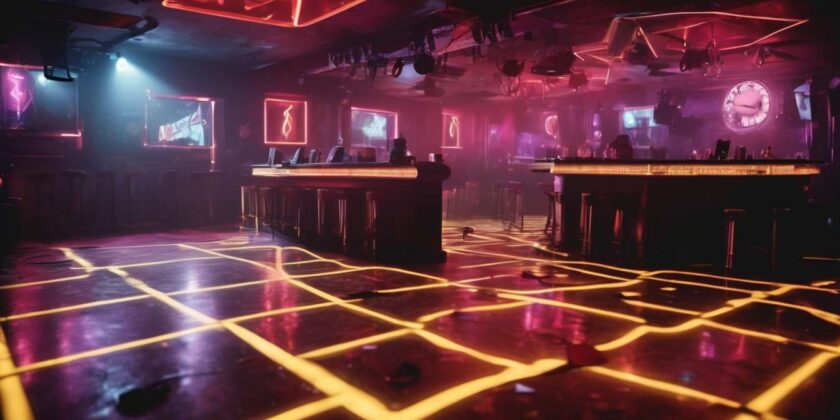
Problem: Dancing venues across the city face a mounting problem: alcohol licensing rules are misaligned with how we actually operate, and those rules are undermining our ability to host safe, vibrant nights.
Operational conflicts with licensing:
- Restricted hours force abrupt curfews that fracture the night and damage the customer experience.
- Onerous capacity calculations don’t reflect how crowds move during live DJs, pop-up performances, and late-night peaks.
- Inflexible premises definitions prevent venues from adapting floor layouts or using multi-purpose spaces safely and legally.
Consequences for staff and safety:
- Staff diverted to compliance work: Employees spend disproportionate time on paperwork and enforcement, reducing focus on customer service and proactive safety management.
- Patching safety gaps: Venues are left improvising to maintain safety within constraints the rules don’t anticipate.
Economic and cultural impacts:
- Promoters abandon creative programming because red tape makes events financially unviable.
- Increased operational costs and staffing instability hit smaller venues hardest.
- Reduced cultural output: The city’s nightlife and dance culture suffer as experimentation and late-night activity decline.
What needs to change:
- Licensing frameworks should protect public safety while enabling practical, proportionate floor management.
- Rules must account for dynamic event flows (e.g., moving crowds, temporary stage or bar setups).
- Simplified, flexible capacity and premises definitions that allow venues to adapt without breaching conditions.
- Reduced administrative burden on front-line staff so they can focus on service and safety rather than constant compliance.
Bottom line: We need common-sense reform so dance culture can survive and thrive — protecting patrons while allowing venues the practical flexibility to run safe, creative nights.
Licensing vs Venue Reality
We often find that licensing rules, written for generic bars and restaurants, don’t match the realities of running a dance venue.
Nightlife licensing treats us like static seated businesses, but dance venues are kinetic spaces.
This mismatch affects operational decisions and safety.
- It changes how we calculate venue capacity.
- It affects how we manage entrances and circulation.
- It influences how we schedule staff.
Dance floors ebb and flow — crowd density shifts with the music, and sightlines and circulation matter as much as table counts.
When policies force one-size-fits-all limits, we scramble to comply while preserving the social fabric we’ve built.
We’re committed to following rules, but we need regulatory frameworks that reflect the kinetic nature of our spaces.
- Such frameworks should allow flexible capacity models that account for movement and variable density.
- They should recognize sightlines, circulation paths, and staff deployment tailored to dance environments.
- They should enable safety measures developed with patrons (e.g., crowd stewards, dynamic monitoring) rather than rigid seating-based mandates.
The goal is to keep people included, respected, and safe without sacrificing the creative energy that makes our nights belong to everyone.
Curfews and Nightflow Problems
Too many curfews and rigid closing times force us to rush people out at once, creating bottlenecks and undoing hours of careful crowd management.
We feel this collectively: staff, regulars, and newcomers all end up impatient and unsafe when exits clog. Nightlife licensing often sets blunt deadlines that don’t match how people disperse, and we’re left improvising while keeping an eye on operational safety.
We want rules that respect our shared community and let us manage nightflow sensibly.
When closing is abrupt, deliveries, transport access, and restroom queues all spike, increasing stress and risk. We can’t sacrifice venue capacity limits, but we need flexibility in how and when guests leave so we don’t create crush points.
Working with regulators to adopt staged egress, late-running transport coordination, and clear communication plans would protect patrons and staff alike.
We’re asking for licensing that understands real nights, values community, and helps us run safer, calmer endings to our events.
Capacity Rules That Fail
Problem: Too many blanket capacity rules force venues into one-size-fits-all limits that ignore real crowd behaviour and the practical layouts of our spaces.
Effect: We feel boxed in when nightlife licensing treats every venue like a square room with identical ingress, egress, and sightlines. That disconnect undermines our sense of community and makes it harder to host safe, vibrant nights together.
What we want: Regulations that respect how we actually operate:
- Staggered entry
- Natural crowd dispersal
- Adaptable floorplans
How capacity should be set: Venue numbers should come from risk-based assessments that factor:
- Staff training
- Available exits
- Monitoring systems
- Other site-specific features, not arbitrary formulas
Consequences of ignoring nuance: When licensing ignores context, venues either compromise operational safety just to comply, or risk penalties despite following best practices.
Call to action: Let’s work with regulators to create fair, flexible approaches that:
- Keep people safe
- Support diverse spaces
- Help teams and guests feel included rather than constrained
Rigid Premises Definitions
Too many fixed premises categories force us into boxes that don’t reflect how our spaces actually function.
We share venues that shift between bar, dance floor, and community hub during a single night, yet nightlife licensing often treats each use as mutually exclusive. That mismatch forces us to stretch definitions or operate with permits that don’t fit, which undermines trust and inclusion in our community.
We want rules that recognize hybrid models without compromising venue capacity limits or operational safety.
When licensing labels a site as only "seated" or "drinking" it ignores how people actually move and mingle, making compliance confusing and fragile.
We’re asking for clearer, flexible pathways.
- Tiered permissions that match the intensity and type of use rather than forcing one label.
- Predictable adjustments for mixed-use nights so operators can plan and comply.
- Assessments centered on real crowd flow and risk mitigation instead of binary categories.
Those changes would achieve multiple goals simultaneously.
- Allow venues to welcome everyone safely and inclusively.
- Reduce adversarial enforcement by creating understandable, realistic rules.
- Keep venue capacity and operational safety front and center while aligning regulation with the lived realities of nightlife.
Staff Burden and Burnout
Problem: staff are stretched thin by paperwork, complex compliance demands, and unpredictable enforcement.
We’re seeing sustained pressure drive turnover and burnout. Tracking changing conditions, documenting incident reports, and justifying choices to inspectors weight every shift.
Operational impact: administrative load reduces time for frontline work.
This paperwork comes on top of hands-on duties: managing crowds and enforcing venue capacity. As a result, teams have less time to connect with patrons, de-escalate incidents, or rest between shifts.
Consequences: fragmented focus, reduced morale, and steeper learning curves for new staff.
When experienced staff leave, newer team members face intense scrutiny and a higher error rate, which increases stress across the team.
What we need: clearer guidance, streamlined paperwork, and predictable enforcement.
- Clearer guidance — Consistent, easy-to-follow rules so staff can make decisions confidently.
- Streamlined paperwork — Simplified forms and consolidated reporting to reduce time spent on admin.
- Predictable enforcement windows — Fixed inspection expectations so staffing and training can be planned.
Outcome: protect safety, retain skilled people, and foster a supportive workplace.
By reducing needless administrative burden and acknowledging frontline expertise, we can improve operational safety, lower turnover, and build the resilient, customer-focused teams our patrons and staff deserve.
Safety by Improvisation
We rely on quick thinking and ad hoc solutions when rigid rules or delayed guidance leave gaps.
We adapt together, sharing responsibility so everyone feels included rather than policed.
When licensing details don’t address specific moments — crowd surges, unexpected equipment failures, or overlapping performances — we make real-time decisions about capacity and flow and communicate changes calmly so patrons understand why we’re acting.
We build simple, obvious procedures that volunteers, bar staff, and DJs can apply without pause.
- Designated evacuation routes
- Temporary barriers
- A clear chain of command
We train in short, recurring drills that reinforce judgment and trust so improvisation isn’t random but informed.
We document every ad hoc measure afterward to inform future policies and support our case with licensing bodies.
By treating operational safety as a shared practice, we keep our spaces welcoming and resilient.
Thoughtful improvisation bridges regulatory blind spots while keeping community at the center.
Economic and Cultural Loss
Problem: licensing rules are reducing venue revenue and cultural vibrancy.
Many venues are losing income and their role as cultural hubs because current licensing rules make bookings harder, increase costs, and discourage experimental programming.
Effects on small promoters, artists, and audiences
- Small promoters cancel shows when nightlife licensing imposes unpredictable fees or restricts hours.
- Artists lose performance opportunities and exposure.
- Communities shrink around fewer, safer-seeming options, reducing diversity in nightlife.
How capacity and safety rules can unintentionally exclude regulars
- Tight venue capacity limits meant to ensure safety translate into fewer tickets sold and higher per-ticket prices.
- Higher prices shut out regulars and long-time audience members who can’t afford to attend.
Loss of local culture when rules favor uniform compliance
- When rules prioritize uniform compliance over local context, nights become homogenized.
- Predictable programming (cover bands, standard DJs) replaces emerging artists and cross-genre experiments.
- This loss is both economic and cultural — it erodes shared culture and the sense of home.
Request / principle we’re asking for
We seek recognition that vibrant nightlife licensing frameworks should balance safety with the economic and cultural lifeblood venues provide, so communities can continue to come together, experiment, and belong.
Pathways to Practical Reform
We can pursue practical reforms that protect safety while reducing unnecessary costs and barriers for venues.
Streamline nightlife licensing with clear tiers tied to venue capacity and programming, so small community spaces aren’t judged by the same rules as large clubs.
By creating proportionate requirements, we keep operational safety high without forcing venues into costly, one-size-fits-all upgrades.
Establish collaborative review boards where venue operators, safety professionals, and local residents co-create standards and share responsibility.
- This builds trust and ensures inspections focus on real risks—crowd flow, emergency exits, and staff training—rather than paperwork.
- Pilot rapid appeal processes and temporary licenses to support innovation and recovery.
- Offer subsidized training and consultancy for operators to meet safety benchmarks.
When we align policy with the realities of running spaces, we protect patrons and workers, preserve cultural life, and welcome diverse communities into safer, more sustainable nightlife.
How do licensing inspectors typically respond when a venue operates outside its strict premises definition during a one-off event?
Inspectors’ typical response when a venue goes beyond its permitted premises during a one-off event
Assessment and guidance:
Inspectors usually assess the situation, determine the risks, and provide guidance on what needs to change.
Expectations and enforcement:
They generally expect corrective steps to be taken. If risks persist they may issue warnings or notices, and in some cases impose conditions or fines.
Cooperation and evidence:
We will cooperate with inspectors, provide evidence of any temporary measures taken, and work to regularize arrangements quickly.
Goal:
The aim is to maintain trust and community safety by resolving issues promptly and transparently.
What legal risks do promoters face if they advertise an event that exceeds the licensed capacity before securing temporary variation?
Legal risks when promoters advertise events exceeding licensed capacity before obtaining a temporary variation
Criminal and regulatory liability. Promoters can be held liable for breaches of licensing law, which may lead to fines, prosecution, and criminal records for individuals or corporate penalties. Regulators may also impose conditions, suspensions, or revocation of licences.
Immediate enforcement risk. There is a real chance of event shutdown or refusal to open the venue by police, fire, or licensing authorities if capacity limits are exceeded or anticipated crowding creates safety risks.
Civil exposure. Promoters face increased civil liability if attendees are injured, including personal injury claims, vicarious liability, and negligence suits. Insurers may refuse coverage or decline claims where the event was materially non‑compliant with licensing terms, leaving promoters personally or corporately exposed.
Future permitting and reputational harm. Breaching the licensing regime can jeopardise future permits, as regulators and venues become less willing to approve events. You will also damage community trust and relationships with venues, regulators, and local authorities, making future collaboration harder.
Practical consequences to mitigate.
- Ensure you do not advertise or sell more tickets than licensed capacity until a temporary variation is granted.
- Apply for any temporary variation well in advance and keep a clear paper trail of communications.
- Maintain robust safety plans, crowd management, and insurance disclosures aligned with any variation sought.
- Communicate transparently with venues, insurers, and regulators to reduce the risk of refusal or claim.
If you want, I can draft a short checklist or template wording for promoter communications while awaiting a variation, or outline typical insurer policy exclusions to watch for.
Are there insurance implications for venues that rely on improvised safety measures to meet licensing requirements during busy nights?
Risk of jeopardizing insurance coverage
We worry that improvised safety measures can invalidate insurance cover. If we rely on ad‑hoc barriers, untrained staff, or makeshift evacuation routes, our policy may refuse claims for incidents tied to inadequate or noncompliant controls.
Likely insurance and operational consequences
- We’ll likely face higher premiums.
- We may receive denied liability payouts.
- We’ll have reduced protection for staff and patrons.
Recommended actions to preserve coverage
- Document approved temporary measures so there is a clear record of what was implemented and why.
- Consult our insurer beforehand to confirm which temporary controls they accept.
- Secure formal approvals (written consent or endorsements) from the insurer or relevant authorities to keep coverage intact.
Conclusion
You’re left juggling rules that don’t fit the way people actually use dance venues, and that mismatch forces you into compromises that hurt safety, staff wellbeing and the cultural life of your city.
Curfews, fixed capacities and narrow premises definitions make you improvise around licensing rather than work with it, adding cost and risk.
Change needs to let operational realities shape sensible, enforceable rules so venues can thrive, protect patrons and keep culture alive.