
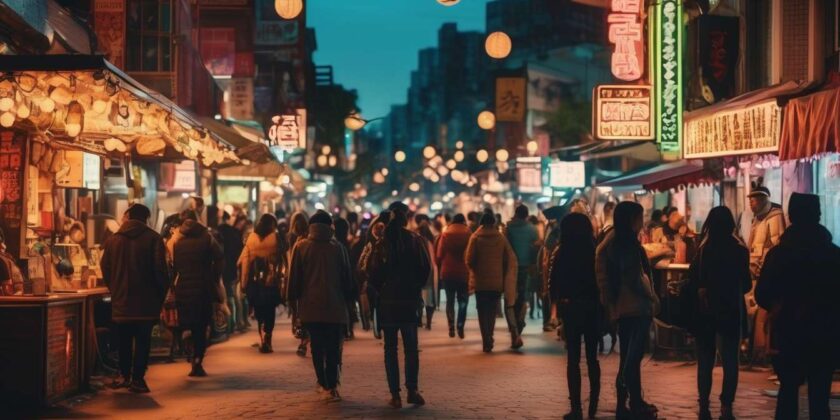
Just because nightlife conjures images of rowdy bars and noisy streets, many people assume it harms neighborhoods more than it helps.
We challenge that misconception by showing how well-planned, diverse, and regulated nightlife districts strengthen local economies, create jobs, and enhance community life.
As residents, business owners, and planners, we see diverse venues—restaurants, theaters, music halls, late-night markets—drawing a wider range of patrons who spend across sectors and extend economic activity into off-peak hours.
Thoughtful regulation reduces conflicts, improves safety, and preserves neighborhood character, allowing benefits to be shared broadly rather than concentrated or exported.
Evidence shows that investment in varied night offerings can:
- Raise property values responsibly.
- Boost tourism.
- Support creative industries.
- Minimize noise and nuisance through permitting, sound standards, and community partnerships.
By reframing nightlife from a nuisance into an asset, we can design policies that balance vibrancy with livability for everyone.
Economic Advantages of Nightlife
Nightlife boosts local economies by creating jobs, increasing consumer spending, and generating tax revenue.
The nightlife economy goes beyond entertainment. It brings people together and keeps neighborhoods vibrant after dark, fostering social connections and a sense of place.
Investing in safe nightlife districts cultivates thriving local scenes:
- Encourages places where friends meet, artists perform, and small businesses thrive.
- Builds a sense of belonging that encourages repeat visits and word-of-mouth support.
- Translates into steady nightly income for restaurants, venues, and retail.
Cultural tourism complements the nightlife economy. Visitors seek authentic evening experiences, spend locally, and return with recommendations that boost future visitation and local reputation.
Prioritizing safety and clear regulation increases public confidence in evening outings:
- Well-lit streets
- Clear regulations
- Trained staff
We can measure the economic gains with concrete indicators:
- Increased sales
- Higher occupancy in nearby lodging
- Broader visibility for local brands
Together, these elements make nightlife a predictable contributor to municipal revenue and community identity, strengthening the social fabric that keeps districts lively, inclusive, and economically resilient.
Job Creation and Workforce Growth
We create and sustain hundreds of local jobs—from bartenders and security staff to technicians and promoters—by supporting vibrant evening venues and events.
We build career pathways that let neighbors gain skills, earn stable wages, and feel invested in their community.
- As the nightlife economy grows, entry-level positions evolve into supervisory roles and specialty trades.
- This progression strengthens local hiring pools and long-term employment prospects.
We prioritize training, fair scheduling, and clear advancement routes so workers stay and thrive.
- Training programs and apprenticeships develop on-the-job expertise.
- Fair scheduling and predictable shifts improve worker retention and life balance.
- Clear advancement routes create motivation and measurable career progression.
By designing safe nightlife districts with visible stewardship and consistent regulations, we protect employees and patrons alike.
- Safe, well-regulated districts make shifts predictable and workplaces welcoming.
- That stability attracts people who want to belong to a dependable, respected sector.
We coordinate with hospitality, transport, and event management partners to align hiring needs and offer apprenticeships.
- Cross-sector coordination expands opportunities and smooths pathways into the industry.
- Cultural tourism increases demand, growing workforce diversity and expertise.
We measure progress by jobs retained, hours increased, and career ladders created.
- Tracking these metrics shows economic and social impact and guides further investment.
Supporting Creative and Cultural Sectors
We support local artists, performers, and cultural organizations by funding venues, commissioning public art, and programming diverse events that keep creativity thriving after dark.
We create partnerships between city agencies, arts groups, and businesses so creators have stable spaces to rehearse, exhibit, and perform.
By investing in infrastructure and clear operating guidelines, we help build a nightlife economy where artists can earn predictable income and audiences feel welcome.
We prioritize programming that reflects our community’s varied voices, so everyone sees themselves represented and connected.
We link creative offerings to cultural tourism efforts to attract visitors who stay longer, spend locally, and feel part of our story.
Safety is central:
- Well-designed lighting
- Staffed information points
- Coordinated transportation
These measures make safe nightlife districts that invite families and newcomers without stifling expression.
Together, we cultivate a creative ecosystem that sustains careers, deepens belonging, and amplifies the unique cultural character that makes our neighborhoods vibrant and resilient.
Increasing Off-Peak Consumer Spending
We’ll boost spending during slower hours by promoting timed discounts, extended service options, and targeted events that draw customers outside peak periods.
We’ll coordinate with local venues to offer happy-hour menus, late-afternoon cultural pop-ups, and package deals that encourage groups to stay longer and spend more.
By aligning incentives across restaurants, galleries, and small vendors, we create a shared rhythm that strengthens the nightlife economy and makes everyone feel included.
We’ll prioritize initiatives that reinforce safe nightlife districts, such as:
- certified late-night worker training,
- improved lighting,
- visible support services,
so people feel comfortable visiting at varied times.
We’ll measure success with clear metrics including:
- off-peak revenue growth,
- repeat-visitor rates,
- participant feedback,
and iterate based on what our community values.
By centering local voices and linking promotions to authentic cultural tourism experiences, we’ll expand economic activity beyond rush hours while preserving the character that makes our neighborhoods welcoming and vibrant.
Tourism and Destination Appeal
Goal: We’ll promote our city as a distinctive destination by packaging authentic evening experiences, streamlined visitor information, and coordinated event calendars that make planning easy and memorable.
Why it matters: We’ll highlight how a thriving nightlife economy supports local artists, restaurateurs, and small businesses, turning evenings into shared moments that visitors and residents can claim as their own.
What we’ll curate:
- Walking routes
- Themed nights
- Neighborhood spotlights
These will help people move from live music to late-night cafes feeling connected to a community rather than lost in a crowd.
Cultural tourism approach: We’ll market cultural tourism that centers local stories, performances, and cuisine, inviting travelers to join traditions rather than observe them from a distance.
Accessibility and transit: We’ll make accessibility and clear transit links part of every promotion, so guests know how to arrive and belong.
Community collaboration: We’ll work with neighborhood groups to ensure promotional materials reflect true local character, and we’ll use collective feedback to refine offerings.
Outcomes: By doing this, we strengthen place identity, boost spending across sectors, and create welcoming destinations that feel like home.
Safety Through Regulation and Design
We’ll ensure safety through targeted regulations and thoughtful design so residents and visitors can enjoy evenings with confidence.
We prioritize clear zoning, lighting, and wayfinding that guide people to gathering places without feeling exposed, and we set operational standards that reduce risk while supporting the nightlife economy.
By requiring trained staff, decent crowd management, and predictable closing procedures, we create spaces where neighbors and newcomers feel they belong.
We design public realms—plazas, sidewalks, transit stops—with visibility, seating, and durable materials so everyone, including families and late-shift workers, can move through the district confidently.
Collaborative enforcement, community advisory boards, and incident data-sharing let us refine rules responsively rather than reactively.
This approach protects patrons, workers, and local businesses, reinforcing safe nightlife districts as reliable anchors for cultural tourism.
Together, we build places that welcome diverse nights, where safety measures and thoughtful design make vibrant evenings inclusive, predictable, and sustainable.
Balancing Vibrancy with Neighborhood Needs
We will preserve lively evening activity while minimizing noise, congestion, and disruptions that affect nearby residents.
We balance the nightlife economy with neighborhood quality by setting clear hours, sound standards, and responsible transportation options so everyone feels respected and included.
We will partner with businesses, residents, and community groups to create safe nightlife districts that welcome diverse visitors while protecting local routines.
Key enforcement and incentives:
- Transparent complaint processes — easy reporting and visible follow-up.
- Timely enforcement — consistent application of rules.
- Incentives for establishments that adopt noise reduction and crowd-management practices.
We will promote cultural tourism through curated events that celebrate local artists and traditions, drawing visitors while keeping scale appropriate for residents.
We encourage regular forums where neighbors and night-economy stakeholders co-design solutions, building trust and mutual responsibility.
We will collect and share data on foot traffic, incidents, and economic impact to adapt policies responsively.
By centering belonging and practical rules, we will sustain vibrant evenings that contribute to prosperity without sacrificing peaceful, livable streets for those who call the neighborhood home.
Long-Term Property and Tax Benefits
We’ll highlight how long-term investments in vibrant evenings can raise property values, broaden the tax base, and fund neighborhood improvements that benefit residents and businesses alike.
Nightlife as a stabilizing force: when streets feel welcoming and well-managed, buyers and renters value proximity to active, safe nightlife districts. That increased demand lifts property values over time, creating equity for longtime residents and investment appeal for responsible developers.
Reinvesting revenue to share gains: we’re committed to ensuring gains are shared, so revenue from permits, sales taxes, and targeted assessments gets reinvested into public safety, lighting, parks, and affordable housing programs.
Cultural tourism and a wider tax base: cultural tourism draws visitors who spend locally across dining, arts, and transit, widening the tax base without sacrificing community character.
Planning with residents and operators to capture benefits:
- Engage residents and operators in planning to guide which improvements are prioritized.
- Direct funds toward public safety, lighting, parks, and affordable housing to ensure tangible neighborhood benefits.
- Monitor outcomes to maintain inclusivity and prevent displacement.
Goal: harness the nightlife economy to fund tangible neighborhood improvements, sustain inclusivity, and maintain vibrant, safe nightlife districts where everyone feels they belong.
How do nightlife districts affect housing affordability for long-term residents?
We’re asking how nightlife districts affect housing affordability for long-term residents.
Nightlife can increase demand for nearby housing, which often drives up rents.
- Higher demand comes from workers, visitors, and people who want to live near entertainment.
- Investors may convert owner-occupied homes into market-rate rentals or short-term stays, shrinking the supply of long-term housing.
Long-term residents experience mixed benefits and harms.
- Benefits: more local jobs, new amenities, and increased economic activity.
- Harms: rising costs and displacement risk, especially without tenant protections or targeted supports.
We’re advocating for policies to protect long-term neighbors while keeping nightlife vibrant.
- Rent stabilization and stronger tenant protections to prevent sudden displacement.
- Zoning and land-use rules that protect existing housing stock from conversion to short-term rentals or purely commercial uses.
- Community-driven development that prioritizes affordable housing, local ownership, and resident input in planning decisions.
The goal is balance: allow vibrant nightlife to thrive while ensuring long-term residents can stay and benefit.
What environmental impacts (noise, light pollution, waste) do nightlife districts create, and how can they be mitigated?
Problem: Nightlife districts create noise, light, and waste that harm nearby residents and the environment. We hear loud music and traffic, disruptive lighting, and overflowing trash.
Solutions:
-
Noise mitigation
- Set and enforce clear noise limits.
- Require or incentivize soundproofing for venues.
- Manage traffic flow and late-night deliveries to reduce vehicle noise.
-
Light pollution control
- Install shielded, directional lighting.
- Use lower-intensity and warmer-color temperature fixtures.
- Implement curfews or dimming schedules for outdoor lighting.
-
Waste reduction and sanitation
- Expand late-night sanitation and recycling collection.
- Provide more public bins and clearly labeled recycling stations.
- Require venues to use reusable or easily recyclable service ware.
-
Community engagement and monitoring
- Run community liaison programs linking residents, businesses, and officials.
- Involve residents and businesses in noise, light, and waste monitoring.
- Create transparent reporting and response procedures for complaints.
-
Incentives and funding
- Incentivize low-impact practices (e.g., grants or tax breaks for soundproofing, energy-efficient lighting, and waste-reduction measures).
- Fund green infrastructure (street trees, permeable paving, bioswales) to manage waste and improve neighborhood livability.
Outcome: By combining regulation, infrastructure, incentives, and community participation, we can keep nightlife lively while making districts quieter, darker when appropriate, and cleaner.
How do small businesses without evening hours benefit from nearby nightlife activity?
Small businesses without evening hours gain from nearby nightlife.
Key benefit: increased daytime foot traffic. Visitors to nightlife arrive early or linger after late events, which boosts cafes, shops, and daytime services.
Improved public infrastructure attracts customers. Better public safety, enhanced transit, and upgraded streetscapes draw a more diverse customer base.
Partnerships with nightlife operators create opportunities.
- Cross-promotion and coordinated events help reach new customers.
- Expanded hours on key days increase sales without requiring permanent late hours.
Result: greater inclusion in the neighborhood’s vitality. These effects help non-evening businesses feel connected to and benefit from the local nightlife economy.
Conclusion
You’ve seen how a diverse, well-regulated nightlife district boosts jobs, supports creative industries, draws tourists, and spreads spending beyond daytime hours.
When safety, thoughtful design, and sensible rules shape late-night activity, you get vibrant streets that respect residents and reduce conflict.
That balance increases property values and tax revenue over time, so investing in nightlife planning isn’t just about fun — it’s a strategic move that strengthens your local economy and community resilience.