
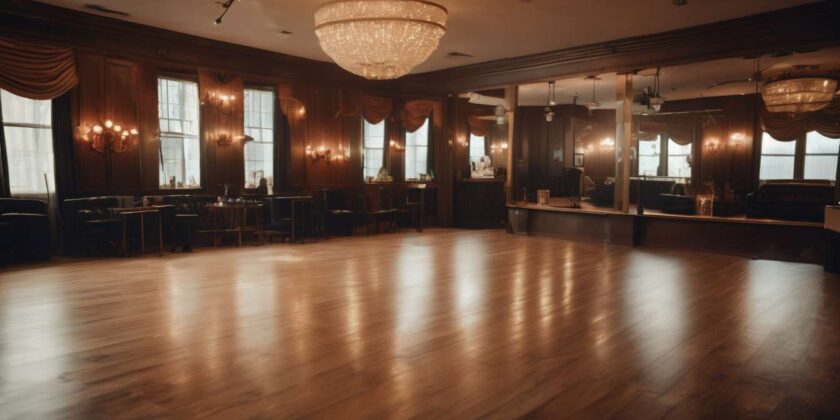
Are we willing to accept that membership-based dance venues can sidestep the consumer protections we expect in public entertainment spaces?
Problem statement: Clubs and studios using subscription or membership models often blur the line between private community and commercial enterprise, creating uncertainty about cancellations, refunds, safety standards, and transparency.
Contexts that create confusion or risk:
- Opaque contracts and terms
- Attendance quotas or selective entry
- Nondisclosure of risks (e.g., capacity limits, physical hazards, COVID-related policies)
- Informal dispute-resolution practices that favor organizers
Why this matters: These practices affect access and trust for patrons, and can result in unequal treatment of members versus one-time customers.
Scope of the investigation: We examine how existing consumer-protection standards apply to hybrid membership spaces by looking at:
- Legal frameworks — statutes and case law that govern consumer contracts, unfair trade practices, health & safety, and venue liabilities.
- Venue policies — membership agreements, refund and cancellation terms, code of conduct, and incident reporting procedures.
- Real-world experiences — complaints, arbitration outcomes, and patterns that reveal enforcement gaps.
Key questions we ask:
- When does a membership model become a de facto commercial sale (triggering consumer-protection rules)?
- Which protections are commonly weakened or circumvented in membership contexts (refunds, cooling-off periods, disclosure duties)?
- Are members given meaningful notice and consent to terms that affect safety and access?
- What remedies are realistically available to members (small-claims, consumer-protection agencies, class actions, alternative dispute resolution)?
Preliminary findings (themes):
- Contract clarity is inconsistent. Many membership agreements contain vague cancellation or auto-renewal clauses, making refunds or exits difficult.
- Safety standards may be informal. Unlike public venues subject to inspections or licensing, community-run spaces sometimes rely on ad hoc policies and volunteer enforcement.
- Dispute mechanisms often favor operators. Arbitration clauses, mandatory non-disparagement, or high evidentiary standards can chill complaints.
- Regulatory gaps exist. Consumer-protection statutes vary by jurisdiction and may not have been adapted to cover hybrid membership models explicitly.
Goals and recommendations:
-
Increase transparency
- Publish plain-language membership terms (cancellation, refunds, safety protocols).
- Provide conspicuous notice of any attendance limits, waitlists, or selective-entry criteria.
-
Align safety and accountability
- Adopt written safety policies, incident logs, and basic compliance checks analogous to public venues.
- Train staff and volunteers on risk disclosure and emergency procedures.
-
Strengthen fair dispute resolution
- Offer clear internal complaint procedures with timelines.
- Avoid blanket mandatory arbitration or non-disparagement clauses that impede remedies.
-
Clarify legal status
- Seek legal guidance to determine when memberships should be treated as consumer transactions and ensure compliance with applicable consumer-protection laws (refunds, cooling-off periods, auto-renew rules).
Desired outcome: Empower dancers and operators to demand clearer terms, safer environments, and fairer dispute-resolution mechanisms so that community-first spaces remain both vibrant and accountable.
If you’d like, I can:
- Draft a plain-language membership terms template that emphasizes consumer protections.
- Produce a checklist operators can use to align safety practices with public-venue standards.
- Summarize relevant statutes and case law for a specific jurisdiction—tell me which one.
Setting the Scene
Why consumer protection matters for membership-based dance venues
Membership agreements are the backbone of expectations.
We run communities where people pay for access, trust, and shared culture, so membership agreements must clearly state what joining means: fees, access rules, cancellation, and behavioral codes.
Risks to patrons typically arise where operations are unclear.
Common problem areas include unclear access rules, surprise charges, weak behavioral-enforcement procedures, and gaps in safety or liability practices.
Align practices with liability and safety standards.
- Have clear incident-reporting procedures.
- Make insurance coverage and limitations explicit.
- Establish fair dispute-resolution steps for injuries, property damage, or disagreements.
Consumer transparency is not optional — it builds belonging.
We share policies, pricing, and safety measures up front, and we welcome questions without gatekeeping. This means publishing rules in accessible formats, explaining fees and cancellation policies, and communicating how complaints are handled.
Honest communication and reasonable, enforceable standards foster a safer, more inclusive environment.
When we set and enforce clear expectations, members feel respected and confident that their rights and wellbeing matter.
Membership vs Commerce
Many venues blend community-focused membership models with commercial sales, so we need to distinguish when rules prioritize collective access and when consumer-protection laws for purchases apply.
We value belonging, so we clarify how membership agreements shape our rights to space, classes, and events while recognizing when individual transactions trigger consumer protections.
- Determine whether a fee is primarily for community access (ongoing membership benefits, participation in governance, shared use of space) or for a discrete commercial good or service (single class, workshop, merchandise).
- This distinction affects refund entitlements, disclosure duties, and applicable liability standards.
We want simple, shared expectations: clear admission criteria, fair dispute processes, and consistent safety protocols.
- Admission: publish objective criteria and any limits on membership or attendance.
- Disputes: adopt a transparent, fair dispute-resolution procedure with timelines.
- Safety: document and consistently apply health and safety protocols.
That means adopting practices that honor our communal commitments while meeting external legal duties for sales.
- Itemized receipts for purchases and fees.
- Up-front cancellation and refund terms for classes, events, and services.
- Documented safety measures and incident reporting procedures.
By aligning our membership agreements with robust consumer transparency and appropriate liability standards, we protect members and visitors alike, foster trust, and keep participation welcoming and secure without sacrificing legal clarity.
Contract Transparency
We’ll make contracts clear, concise, and accessible so everyone understands fees, rights, cancellation terms, and dispute processes before they join or pay.
We write membership agreements in plain language, highlighting key commitments, renewal cycles, and refund policies so members feel respected and informed.
We’ll provide layered summaries and full texts, with prominent headings and a short FAQ that answers common questions about billing, guest policies, and class access.
We’ll ensure consumer transparency by posting sample agreements and change-notice procedures online and offering in-person or virtual walkthroughs for newcomers.
We’ll record acknowledgments and give reasonable time to review before payment, so choosing to belong never feels rushed.
We’ll outline how complaints are handled, timelines for responses, and third-party mediation options when appropriate.
We’ll align contract terms with clear liability standards and advise members where responsibility lies, without substituting for legal counsel.
By doing this, we build trust and a stronger, more welcoming community.
Safety and Liability
We’ll prioritize member safety and clear liability rules so everyone knows what risks we manage, what responsibilities members assume, and how incidents are handled.
We will create clear membership agreements that plainly state expected conduct, safety protocols, and the venue’s duty of care.
- These agreements will reflect liability standards that balance protection for members and realistic limits for the venue.
- We will avoid vague waivers that erode consumer trust.
We’ll maintain visible, accessible safety information and incident-reporting procedures so people feel secure and supported.
- Staff will receive training in risk reduction, first aid, and de-escalation.
- We will document maintenance and inspections to meet established liability standards.
When incidents occur, we’ll respond promptly and fairly through investigation and clear communication with affected members.
- Responses will be timely.
- Investigations will be impartial.
- Outcomes will be communicated consistent with consumer transparency.
Our goal is that members belong without guessing what’s required or who’s accountable.
Clear, compassionate policies in membership agreements plus rigorous adherence to liability standards will build trust, reduce disputes, and create a safer, more inclusive dance community for everyone.
Entry and Access Rules
We will set clear, fair entry and access rules.
Who can come, when, and under what conditions will be defined, and the rules will be easy to find and understand.
We will describe membership tiers and access-related policies, including:
- Who qualifies under each membership tier.
- Guest policies.
- Age limits.
- Accessibility accommodations.
- Peak-hour protocols.
Membership agreements will state access hours and conditions and will be presented in plain language, covering:
- Access hours.
- Any reservation requirements.
- Conditions for bringing guests.
We will align entry policies with liability standards so members understand safety obligations and venue responsibilities without surprises.
We will publish procedures for temporary restrictions, such as:
- Events that change normal access.
- Capacity limits.
- Health measures.And we will explain how those affect access.
We will outline accommodations and an inclusive code of conduct to foster belonging, balancing community comfort with individual rights.
We commit to consumer transparency.
We will post rules prominently, notify members of changes in advance, and offer clear contact points for questions about access or membership agreement terms.
Dispute Resolution Paths
Dispute-resolution pathways will be clear and fair.
We’ll offer multiple options—ranging from informal mediation to formal arbitration or small-claims processes—so members know exactly how to raise and settle issues.
Step-by-step procedures will be included in membership agreements.
We’ll outline timelines, evidence requirements, and escalation options so everyone understands the process.
Neutral, accessible, and low‑cost filing methods will be prioritized.
- Neutral mediators will be used where possible.
- Filing methods will be accessible and straightforward.
- Costs will be kept low to preserve our inclusive community spirit.
Liability standards will be explicit.
We’ll make clear where responsibility lies and where venues carry risk, avoiding surprises that fracture trust.
Standardized notices and tracking will support consistency and improvement.
- Written notices and simple complaint templates will be required.
- Outcomes will be tracked to inform policy improvements.
Transparency will be balanced and anonymized.
We’ll publish dispute-resolution outcomes in anonymized summaries to reinforce consumer transparency and collective learning—not to shame individuals.
Multiple support and referral options will be available.
We’ll offer an internal ombudsperson and clear referral paths to external arbitration or small-claims courts when needed, ensuring people can choose the route that fits their comfort and the harm experienced.
Every dispute will be treated as an opportunity.
We’ll use resolutions to strengthen belonging and safety within the community.
Regulatory Gaps
Many local and national regulations haven’t kept pace with membership-based dance venues, leaving gaps that require identification and advocacy for clear, tailored protections.
Inconsistent treatment of membership-based venues creates legal uncertainty.
- Some venues operate like private clubs but effectively serve the public.
- Membership agreements often resemble consumer contracts yet escape consumer-protection scrutiny.
- This inconsistency produces unclear rules on cancellation rights, fee disclosures, and dispute processes.
Liability standards vary across jurisdictions, producing uneven protections for members and staff.
- Some places treat incidents as private matters between parties.
- Others impose public-safety obligations on venues.
- The result: members and staff cannot reliably know what protections apply.
We seek a sense of belonging without unclear legal footing, so consistent rules are needed.
- Rules should recognize communal spaces and shared risk.
- Predictable safeguards would protect both members and the broader public.
Consumer transparency is central to building trust and reducing harm.
- Clear, accessible disclosures about fees, risks, and dispute options are essential.
- Transparency helps prevent misunderstandings and supports fair resolution processes.
Identifying regulatory gaps supports advocacy for balanced frameworks.
- Frameworks should respect community norms while ensuring predictable legal protections.
- Clear rules and disclosures would enable venues to foster community without exposing members or staff to avoidable legal uncertainty.
Practical Recommendations
Recommendation overview: clear, actionable steps for venues, regulators, and communities to close gaps, improve disclosures, and standardize protections.
Revise membership agreements
- Use plain language and short summaries at the top of each agreement.
- Make cancellation and refund terms conspicuous and easy to find.
- Include a clear, one-line “what this means for you” summary for members.
Advocate baseline liability standards
- Require mandatory incident reporting procedures.
- Set minimum insurance requirements for venues.
- Define clear waiver limits so waivers don’t create surprise liability claims for members.
Strengthen consumer transparency
- Publicly post rules, pricing, and incident procedures at the venue and online.
- Create a standard disclosure template regulators can adopt and publish.
Encourage community peer review and sharing
- Form peer-review groups to share best practices and review contracts.
- Establish a simple flagging system for problematic clauses or practices.
Regulatory tools and education
- Develop simple audit tools regulators can use to check compliance.
- Offer educational workshops and guidance in addition to enforcement.
Expected outcome
By acting together—venues, regulators, and community groups—we can make membership-based dance venues safer, fairer, and more inclusive, while preserving the joy that brings people together.
How do membership-based dance venues handle taxes differently from standard commercial venues (e.g., sales tax, VAT, or employer payroll taxes)?
We’re asking how membership-based dance venues handle taxes differently from standard commercial venues.
Membership dues: We often treat dues as non-sales revenue if local rules allow. This can reduce sales-tax exposure, but eligibility depends on jurisdiction and how benefits are structured.
Classes and retail: We charge VAT or sales tax on classes or retail items when required. Ensure you distinguish between taxable and non-taxable services (e.g., instruction vs. social access) under local law.
Payroll vs. contractors: We report payroll taxes for employees and treat instructors as contractors when appropriate. Correct classification is essential to avoid back taxes and penalties.
Recordkeeping and exemptions: We keep clear records and apply exemption rules carefully — document membership terms, receipts, and what dues cover to support any non-sales treatment.
Professional advice: We consult accountants to ensure compliance while protecting our community’s inclusive spirit. Local tax rules vary, so expert guidance helps tailor policies.
What privacy protections apply to member databases and surveillance (e.g., CCTV, door scans, photo consent) that go beyond general safety and liability discussions?
Current question: what privacy protections cover member databases and surveillance beyond basic safety?
Answer: We’ll follow data minimization, purpose limitation, and retention limits to reduce the amount and lifespan of personal data collected.
Encryption and access controls: encrypt records at rest and in transit, maintain detailed access logs, and conduct regular audits to detect and deter unauthorized access.
Consent and opt-outs: obtain clear consent for photos and CCTV where required, provide visible notices, and offer opt-out mechanisms for nonessential surveillance or photography.
Third-party sharing: limit sharing to necessary service providers, require contractual privacy and security obligations, and perform vendor due diligence before any data transfer.
De-identification for analytics: anonymize or pseudonymize data used for research and analytics so individual members are not identifiable in routine reporting.
Staff training and culture: train staff on privacy best practices, incident reporting, and handling member requests so members feel respected and secure.
Are there special insurance products or policy endorsements specifically designed for membership-based social clubs and dance venues, and how do they differ from typical event/venue insurance?
Yes — specialized insurance products exist for membership-based social clubs and dance venues.
These policies differ from typical event/venue insurance by focusing on ongoing, membership-specific risks rather than single-event exposures.
Common tailored coverages or endorsements include:
- Member-to-member liability — covers claims arising from interactions between members (e.g., injuries during private member events or dance classes) that event policies may exclude.
- Seasonal or recurring operations — addresses risks tied to regular schedules (weekly classes, member nights, seasonal festivals) and can be structured for continuous coverage rather than one-off event limits.
- Privacy and data breach protection — protects member databases (registration, payment, health info) against hacking, accidental disclosure, or regulatory fines.
- Reputation, consent, and media protection — handles claims related to photography, social media posts, CCTV recordings, and unauthorized use of members’ likenesses.
Why these matter compared with single-event policies:
- Duration and scope — single-event policies are time-limited and focused on one occasion; club policies cover ongoing operations and exposures that recur or persist between events.
- Bylaws and governance exposures — clubs can face disputes tied to bylaws, member discipline, or fiduciary duties that event policies don’t contemplate.
- Coverage gaps — event policies may exclude member-to-member claims, long-tail privacy harms, or repeated exposures; tailored products plug those gaps via endorsements or separate modules.
- Premium/limits structured differently — underwriting considers membership size, turnover, frequency of activities, and ongoing risk controls (background checks, safety protocols), so pricing and limits reflect continuous exposure.
If you want this tailored for your club or venue, consider these next steps:
- Gather details: membership size, frequency/type of activities, whether you record/video events, and how member data is stored.
- Share governance documents: bylaws, waivers, code of conduct, and any existing contracts or vendor agreements.
- Request quotes that compare: (a) a tailored membership policy or package, (b) endorsements to a general liability/GL policy, and (c) standard event-only coverage so you can see gaps.
If you’d like, tell me specifics about your club (size, activities, any prior claims, data practices) and I’ll outline likely coverages and questions to ask brokers/insurers.
Conclusion
You should expect the same basic consumer protections whether a dance venue calls itself membership-based or commercial.
Don’t accept opaque contracts, unclear entry rules, or ambiguous safety policies—insist on transparency about fees, refunds, liability waivers, and access.
If you hit a problem, use documented dispute-resolution steps and escalate to regulators or consumer advocates when needed.
Push venues to close legal gaps so your safety, rights, and reasonable access are reliably protected.