
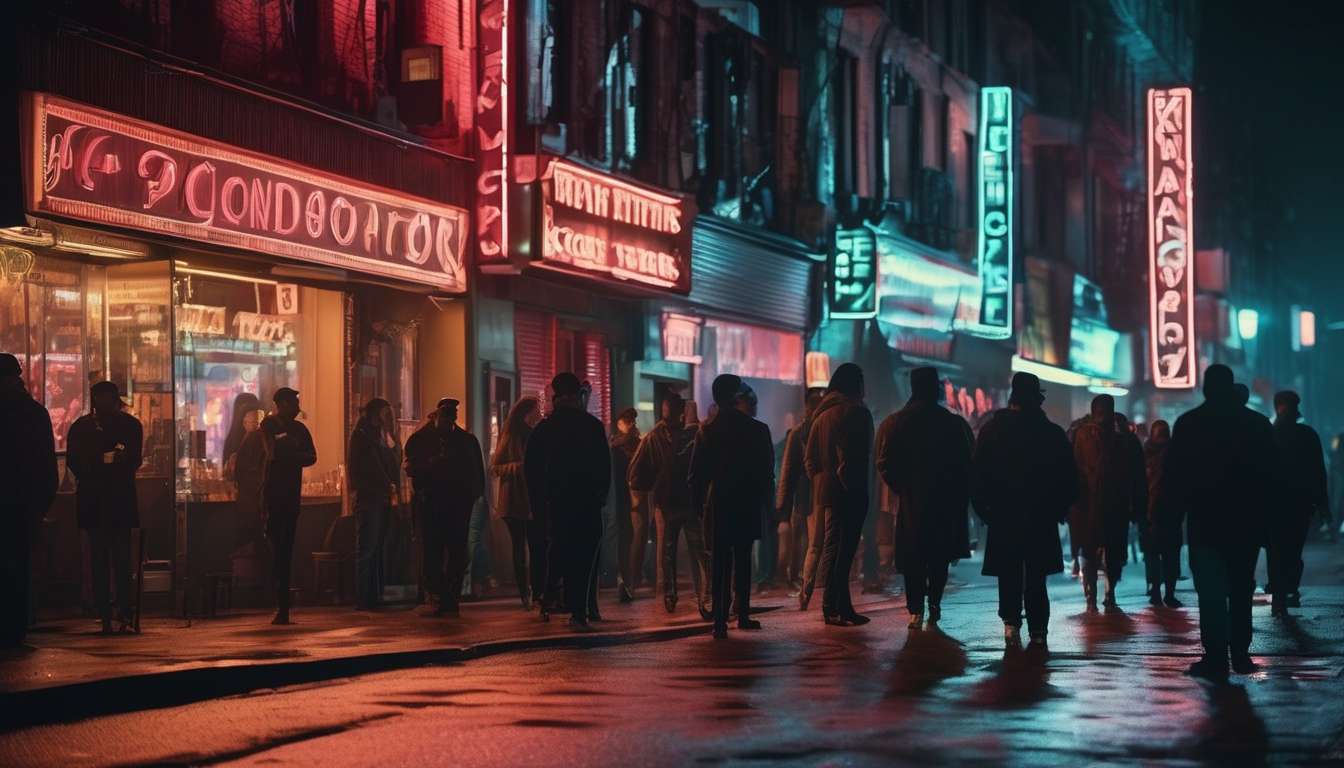
Nobody believes that licensing for exotic dance venues is merely bureaucratic red tape — we often assume it’s either a moral crusade or a straightforward safety measure.
We know this misconception colors debates, shapes policy, and alters how clubs, dancers, and communities interact.
As we peel back layers of rhetoric, we see that licensing rules do more than permit or prohibit; they sculpt business models, dictate venue layouts, influence employment practices, and steer neighborhood relations.
We trace how seemingly neutral provisions — hours of operation, alcohol restrictions, distance requirements from schools or churches, and performer background checks — ripple outward, affecting livelihoods and local economies.
We also acknowledge how myths about morality and public nuisance can lead to uneven enforcement and unintended consequences.
Our aim is to move past simplistic assumptions and reveal how licensing frameworks become tools that reflect and reinforce community values while reshaping the everyday realities of exotic dance venues.
Licensing and Business Models
We’ll examine how licensing requirements shape common business models for exotic dance venues.
Licensing regulations set the baseline for how ownership, staffing, and customer engagement are structured. These rules determine what revenue streams are available, what activities are permitted on-site, and what operational safeguards must be in place.
When alcohol policies are strict, venues often pivot to alternative revenue models:
- Cover-charge or door-fee systems to generate predictable income.
- Membership or subscription models to encourage repeat visits and steady cash flow.
- Increased emphasis on secondary sales (tips, merchandise, private bookings).
When licensing permits on-site alcohol, beverage service is integrated into planning:
- Beverage sales become an important revenue line and affect layout, staffing, and hours.
- Staff training focuses on compliance (e.g., ID checks, refusal-of-service) and patron safety.
- Security and liability management are scaled to account for alcohol-related risks.
Performer employment models are shaped by licensing and enforcement practices:
- Independent contractor arrangements are sometimes used to align with informal booking and tip-based pay structures.
- Employee classifications are chosen where labor laws, local enforcement, or venue policies require more direct oversight and protections.
- Contracts and workplace procedures are tailored to reflect legal expectations and community norms (pay practices, shift rules, nondiscrimination, safety protocols).
Aligning the business model with clear rules creates safer, more predictable venues:
- Predictability helps managers plan staffing, scheduling, and budgeting.
- Clear rules help protect performers’ safety and rights.
- Consistent policies foster a sense of belonging and respect among staff and regular patrons.
Operational adaptation balances legal requirements with social needs:
- Ongoing review of licenses and local ordinances keeps operations compliant.
- Community engagement and transparent policies build trust with regulators and neighbors.
- Training and enforcement of workplace standards ensure both legal compliance and a respectful environment for everyone involved—managers, dancers, and patrons.
Hours and Revenue Patterns
We map typical opening hours and peak attendance patterns to revenue flows so venues can align staffing, promotions, and services with when customers actually spend.
We chart busy nights, late-night lulls, and weekend surges against local licensing regulations and alcohol policies that shape when doors open and what’s allowed on‑premises.
By doing this together, we schedule performer employment to match demand, avoiding overstaffing on slow nights and burnout during peaks.
We track cover revenue, bar takings, and tip patterns hourly to set shifts, rotate talent, and plan targeted promotions that reflect shared priorities—safety, steady income, and respectful service.
- Clear schedules tied to expected revenue windows help everyone feel secure and included.
- When rules change, we adjust quickly, updating shift contracts and marketing to protect livelihoods.
That responsiveness keeps our venues resilient, equitable, and aligned with community needs while staying compliant and sustainable.
Alcohol Rules and Layouts
We’ll map how drink-service rules, bar placement, and seating layouts interact to affect safety, revenue, and permitted floor activities.
Licensing regulations and alcohol policies set the baseline. They determine:
- who can serve alcohol,
- where drinks may circulate,
- whether patrons can bring beverages onto performance areas.
By aligning layout choices with those rules, we create predictable spaces that protect performers and staff while maximizing cover and table-service income.
Practical adjustments we can make together:
- Locate bars to reduce crowding near stages.
- Position bars to pull foot traffic away from performance sightlines and egress paths.
- Use multiple smaller bars or service points to distribute demand.
- Design seating to maintain clear sightlines and safe egress.
- Arrange tables and aisles so staff and patrons can move without crossing performer space.
- Keep emergency exits and paths unobstructed and well signed.
- Use designated alcohol zones to enforce policy without isolating performers.
- Create clearly marked areas where drinks are allowed versus performer-only zones.
- Use low barriers, signage, and staff enforcement to manage boundaries.
These choices influence performer employment terms.
- Roles and shift patterns change when venues limit proximity or prioritize seated service.
- Staffing models may shift toward more table-service roles and fewer roving servers.
Integrate clear procedures, training, and signage to reinforce standards.
- Provide staff training on boundary enforcement, de-escalation, and emergency protocols.
- Post visible policies about alcohol zones and permitted floor activities.
- Document procedures so regulators, staff, and performers have a shared reference.
Outcome: When rules, layout, and operations are aligned, venues comply with regulators, reinforce community norms, and support a working environment where performers and staff feel respected, safe, and able to earn reliably.
Distance Restrictions Effects
Distance restrictions shape performer–patron interaction and venue design.
Distance rules determine how close patrons can stand or sit to performers and directly affect stage design, tipping dynamics, and staff supervision. Raised stages, railings, and marked floor areas often become standard to ensure compliance with minimum-distance licensing requirements.
Physical boundaries change patron movement and the flow of shows.
Those boundaries influence where patrons gather and how they move through a venue, which in turn shifts tipping patterns and the pace of performances. Layout decisions therefore affect both performer safety and revenue dynamics.
Alcohol policies interact with distance rules and seating/traffic planning.
When licenses limit serving areas or require food service, venues adapt seating and traffic flow to reduce risky contact and avoid violations. This coordination between distance and alcohol rules supports a safer, more welcoming space.
Clear, enforceable rules promote consistency and inclusion.
Consistent, well-defined distance requirements — aligned with licensing and alcohol policies — support predictable layouts and management practices. This fosters inclusion and protects performers and patrons while avoiding prescriptive guidance on performer employment practices.
Performer Employment Practices
Clarify how employment arrangements affect performers’ rights, safety, and benefits.
Independent contracting, payroll employment, and mixed models each change legal responsibilities and practical outcomes for performers.
- Payroll employment generally provides predictable wages, tax withholding, and access to workplace protections (e.g., minimum wage, overtime, unemployment insurance, workers’ compensation).
- Independent contracting can offer scheduling flexibility and autonomy but often leaves performers without benefits, no employer tax withholding, and limited access to unemployment or worker-protection mechanisms.
- Mixed models blend elements of both and require careful documentation so worker status and rights are clear.
Regulatory and financial pressures influence which model venues adopt.
- Licensing rules, permit costs, or regulatory interpretations can push venues toward contractor status to limit perceived employer liabilities.
- Venues and regulators should assess whether such shifts actually protect workers or simply shift risk onto performers.
Alcohol policies intersect with employment and safety.
- Venues with strict alcohol controls (server training, limits on service, enforcement) often see fewer incidents that threaten performer and staff safety.
- Those safety benefits apply regardless of classification, so alcohol policy is an important complement to employment protections.
Advocate for clear, enforceable workplace practices.
- Contracts should explicitly state classification, pay structure, tip distribution, and dispute procedures.
- Transparent tip reporting and payroll records help ensure legal compliance and financial fairness.
- On-the-job safety protocols (incident reporting, security presence, harassment policies, emergency procedures) give performers practical protection.
Promote dialogue and compliance.
- Encourage managers and performers to engage in open discussions about classification, shift scheduling, and complaint procedures.
- Use those conversations to ensure licensing regulations are followed and to identify policy gaps.
- Foster workplaces where workers feel respected, secure, and supported through clear rules, training, and enforcement.
Bottom line: Align employment classification, transparent contracts, alcohol and safety policies, and regular manager–performer dialogue so performers have predictable protections and venues meet regulatory and community expectations.
Background Checks Impact
Background checks shape who can work in exotic dance venues, influencing safety, privacy, and employment opportunities for performers.
Licensing regulations require varied levels of vetting.
- Some jurisdictions require criminal-history checks.
- Others require ID verification tied to age and immigration status.
These rules are intended to protect staff and patrons, but they also create barriers that can affect belonging and economic stability among performers.
We balance safety with respect for personal history by advocating transparent processes.
- Provide clear notice about what background criteria are used.
- Offer avenues for appeal or rehabilitation so people can stay connected to work.
Alcohol policies intersect with background-check regimes.
- Venues that serve alcohol often face stricter scrutiny, which can further narrow employment options for performers.
Promote consistent, fair practices to reduce harm.
- Limit unnecessary data collection.
- Implement confidentiality safeguards.
These measures help ensure background checks serve public safety without excluding experienced dancers.
Goal: support a community where performers feel both safe and included while navigating licensing demands.
Enforcement and Local Biases
We must ensure enforcement is applied evenly and that local biases don’t single out certain venues or performers.
We want a fair environment with transparent enforcement, clear standards, and predictable procedures so everyone knows what to expect.
We advocate for:
- Uniform inspection schedules so inspections are not arbitrary or targeted.
- Publicly available violation criteria that explain exactly what constitutes a breach.
- Appeal processes that protect small operators and individual performers alike.
We recognize how alcohol policies intersect with enforcement and can cause harm when applied inconsistently.
- Inconsistent liquor-rule application can disproportionately affect venues that rely on mixed revenue streams (e.g., ticket sales plus bar sales).
- Consistent alcohol enforcement helps prevent economic discrimination against certain types of venues.
We support training and collaborative forums to reduce bias and improve outcomes.
- Training for inspectors and local officials to reduce implicit bias and ensure uniform application of rules.
- Collaborative forums where venue operators, performers, and residents can voice concerns without fear of retaliation.
By prioritizing consistent enforcement, transparent record-keeping, and protections for performer employment, we build trust and belonging while upholding public safety and regulatory goals.
Economic and Community Outcomes
We should assess how dance venues’ effects on local economies across several dimensions: job creation, tax revenue, neighborhood vitality, and property values.
When licensing regulations are clear and fair, they shape who can open venues, what services they can offer, and how stable those jobs are.
- Clear, fair licensing leads to predictable tax streams.
- Stable licensing supports sustained performer employment.
- Predictability allows neighbors and local businesses to plan for changes in foot traffic and retail demand.
Alcohol policies intersect with economic outcomes and business models.
- Permitting alcohol sales often raises venue revenue and extends customer dwell time.
- Restrictive alcohol policies can push venues toward higher pay for performers or alternate entertainment offerings.
- Those shifts change local spending patterns and can alter neighborhood economic mixes.
We want policies that balance community comfort with economic inclusion.
- Avoid arbitrary barriers that exclude entrepreneurs or hollow out workforce opportunities.
- Aim for rules that promote both safety and access to jobs.
By engaging residents, venue operators, and regulators in good faith, we can craft licensing and alcohol policies that support safe workplaces, steady performer employment, and shared neighborhood prosperity.
How do zoning commissions and neighborhood associations typically influence where exotic dance venues can open even before licensing is considered?
Zoning commissions and neighborhood associations shape where exotic dance venues can open by setting land-use rules, creating buffer zones from schools, churches, and residences, and designating permissible commercial districts.
We collaborate with neighbors and participate in the public process by attending meetings and voicing concerns about traffic, safety, and property values.
We use regulatory tools and procedures to influence location decisions before licensing begins:
- Conditional use permits — request special conditions or limitations for specific locations.
- Variances — seek exceptions to zoning requirements when appropriate.
- Public hearings — present evidence and community perspectives to decision-makers.
Community standards therefore steer location decisions prior to licensing, shaping whether and where such venues can open.
What role do payment processing companies and banks play in the day-to-day operations and financial stability of these venues?
How banks and payment processors affect daily operations and stability
Banks and processors are critical for daily operations. We rely on them for merchant accounts, card acceptance, payroll, and cash management. Without reliable banking and processing services, basic functions that keep businesses running smoothly are compromised.
When providers hesitate or impose higher fees, the business suffers. Higher fees or reluctance to serve certain industries lead to cash flow strain, reduced services, or being forced to fall back on cash-heavy practices that are less efficient and less safe.
Our mitigations focus on compliance, diversification, and advocacy.
- We build and maintain compliant relationships with providers to minimize risk of sudden service withdrawal.
- We diversify payment options and providers to reduce dependence on any single bank or processor.
- We organize and advocate together for fair banking access so that businesses and staff are protected from discriminatory or economically harmful practices.
Bottom line: Reliable, affordable banking and processing access is essential to operational stability; proactive compliance, diversification, and collective advocacy are the main strategies to protect businesses and employees.
How are safety protocols for patrons and performers — such as emergency evacuation plans or on-site medical response — typically developed and enforced?
We develop and enforce safety protocols (evacuation plans, on-site medical response) through collaborative, practical processes.
Collaboration and drafting
- We work with staff, performers, security, and local emergency services to draft practical procedures.
- Drafts incorporate input from all stakeholders so plans are realistic and executable.
Training and drills
- We train everyone on their roles and responsibilities.
- We run regular drills to validate procedures and identify improvements.
Standards, signage, and documentation
- We follow industry best practices and local codes.
- We maintain clear signage, accessible exits, and documented incident protocols.
Ongoing review and maintenance
- We schedule regular reviews and inspections.
- We provide refresher training so everyone stays prepared and confident.
- We update plans after incidents or when operations change.
ObjectiveThe result is practical, compliant protocols that are practiced regularly so staff, performers, and attendees feel prepared and protected.
Conclusion
You’ve seen how licensing shapes everything from business models and hours to alcohol policies, venue layouts, and where clubs can legally operate.
Those rules affect performers’ employment status, background-check burdens, and local enforcement practices that may reflect community biases.
The result influences local economies, neighborhood character, and public safety in complex ways.
Understanding these trade-offs helps you evaluate licensing choices and pushes policymakers to balance economic opportunity, worker protections, and community concerns.