
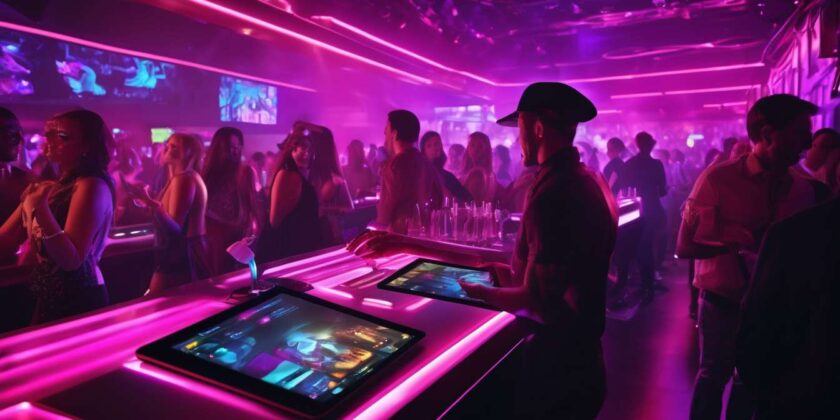
Between the neon glow of a packed dance floor and the quiet hum of a back-office server room, we see the transformation unfolding at live entertainment clubs.
We compare the analog rituals of ticket stubs, chalkboard lineups, and cash tills with a new era of cloud-based ticketing, contactless payments, and AI-driven crowd management — and we find that modernization reshapes the guest experience and operational backbone alike.
As operators, we’re learning to balance the visceral thrill of live performance with the precision of data analytics.
- We use real-time insights to optimize staffing, setlists, and inventory.
- We adopt mobile apps that streamline entry and dashboards that predict drink demand.
- We deploy sensors that monitor sound and safety to maintain atmosphere and compliance.
We’re preserving the spontaneity patrons crave while scaling personalized experiences.
- This evolution reduces waste and improves profitability.
- It enables tailored experiences without losing authenticity.
Together, we’re redefining what a club can be: an immersive venue powered by technology and guided by human creativity.
The Digital Front Door
We’re opening the digital front door to let guests discover events, buy tickets, and engage with clubs more easily.
We build community through welcoming interfaces that make patrons feel known and included from the first click.
Our platforms integrate contactless payments at checkout for smooth, secure transactions without friction, and they tie into member profiles so repeat visitors feel recognized.
We use real-time analytics to personalize recommendations, adjust staffing, and spotlight emerging artists, keeping our calendar vibrant and aligned with what our audience wants.
Behind the scenes, AI crowd management helps us optimize entry flow, seating density, and safety measures, so everyone can relax and enjoy shows together.
We prioritize accessibility and clear communication, sending timely updates and curated invites that reinforce belonging.
By weaving these technologies into a single experience, we create a consistent, human-centered approach:
- Guests: convenience and connection.
- Staff: actionable insights.
- Clubs: sustainable engagement that grows a loyal, inclusive community.
Contactless Transactions
We’ve streamlined checkout so guests can pay quickly and securely with tap-to-pay, mobile wallets, and stored member balances.
Contactless payments are designed to feel familiar and welcoming, so every member moves from entry to their seat without friction.
Our teams rely on clear workflows and visible signage that reinforce belonging — everyone knows what to do, and everyone’s experience matters.
We’ve tied payments into member profiles to speed reorders and offer tailored perks, reinforcing community through small, delightful surprises.
We use real-time analytics to monitor transaction flows and queue times, letting staff intervene before lines form.
When demand spikes, AI crowd management supports staff decisions by suggesting where to open additional stands or redirect foot traffic, keeping people safe and comfortable.
We maintain strict data privacy and fast settlement so members trust every interaction.
By combining seamless contactless payments with thoughtful, technology-enabled support, we create a club environment that feels both modern and inclusive.
Real-Time Operations Analytics
We monitor operations live, using dashboards and alerts to spot bottlenecks, optimize staffing, and keep service running smoothly.
We gather data from contactless payments, bar queues, and entry points, turning streams into actionable insight everyone on the team can trust.
With real-time analytics, we see where lines form, which servers are overloaded, and when inventory needs restocking, so we can reassign staff before guests notice delays.
We share concise dashboards with managers and floor staff, so everyone feels included in problem-solving and understands priorities at a glance.
Alerts are simple and prescriptive — not noise — prompting specific, agreed-upon actions that preserve our service standards and sense of teamwork.
We also feed anonymized performance metrics into post-shift reviews, celebrating wins and pinpointing small improvements.
By making operational data transparent and useful, we strengthen both efficiency and belonging:
- Staff know their efforts matter.
- Guests enjoy smoother nights powered by coordinated, data-informed decisions.
AI Crowd Management
We use AI to predict crowd flows, prevent dangerous congestion, and guide staff and guests to safer, more enjoyable spaces.
We design AI crowd management systems that read room density with real-time analytics, spotting bottlenecks before they grow and nudging movement through subtle cues — lighting shifts, signage updates, and staff prompts.
We pair this with contactless payments and entry systems to reduce queues, keeping lines moving and people connected to the experience.
We want everyone to feel included and secure, so our dashboards give shift leads clear, simple actions:
- Open a bar lane
- Redirect entry
- Deploy a roving host
We keep privacy front and center, using aggregated, non-identifying data so guests can relax knowing they belong without being tracked.
We train staff to trust the system, treating alerts as collaborative suggestions rather than directives, and we iteratively refine models with operator feedback.
By combining humane operational policies with precise AI tools, we create spaces that feel safer, friendlier, and more welcoming for every attendee.
Smart Inventory Systems
We use smart inventory systems to track stock levels, predict demand, and automate restocking so bars and merch stands never run out during peak nights.
We’ve integrated these systems with point-of-sale and contactless payments so every sale updates inventory instantly, keeping our team aligned and guests served without delay.
Using real-time analytics, we monitor bestsellers, shrinkage, and reorder points, sharing dashboards that let everyone on staff see what’s coming and pitch in.
Forecasting driven by historical trends and event-specific variables helps us order smarter and reduce waste, which strengthens our sense of stewardship for the venue.
We also coordinate with AI crowd management insights to anticipate surges and pre-stage stock where it’ll be needed most.
That coordination means fewer bottlenecks and more time for our crew to connect with guests.
By making data visible and actionable, we create a collaborative environment where everyone feels responsible for smooth nights and shared success.
Sound and Safety Sensors
We outfit venues with networked sound and safety sensors that continuously monitor noise levels, air quality, structural vibrations, and emergency signals.
These sensors enable staff to respond immediately to hazards and keep guests comfortable.
We link those sensors to a single dashboard that gives our team real-time analytics.
From the dashboard we know when to:
- lower volumes,
- boost ventilation,
- inspect a load-bearing element before it becomes dangerous.
We design the system to work alongside contactless payments and access controls, tying patron flows to safety profiles without exposing personal data.
We use AI crowd management to predict bottlenecks and redirect foot traffic gently, creating inclusive movement patterns that make everyone feel seen and safe.
We prioritize transparency and shared responsibility so managers, security, and frontline staff read the same alerts and act together.
We test sensors regularly and keep maintenance logs accessible, so the community can trust the tech and each other.
We measure outcomes — fewer noise complaints, faster emergency response, smoother ingress — and iterate as one team.
Staff Empowerment Tools
We equip staff with intuitive mobile tools and clear protocols so they can make confident safety, service, and crowd-flow decisions on the spot.
We give every team member a simple app that:
- handles contactless payments,
- tracks service requests, and
- displays role-specific checklists
so no one feels isolated during a busy shift.
We train together on scenarios using real-time analytics dashboards that translate crowd density and sales patterns into actionable prompts, fostering shared situational awareness.
We rely on AI crowd management to:
- predict pinch points, and
- suggest subtle reassignments before problems escalate.
We encourage feedback loops so frontline staff shape those models.
We rotate responsibilities and pair newer hires with experienced mentors, building trust and a sense of ownership.
We celebrate small wins—quickly resolving a queue, helping a guest—because belonging grows from competence and recognition.
We keep tools uncluttered, instructions concise, and communication direct so everyone can contribute confidently to a safer, smoother, more connected night.
Preserving Live Authenticity
We balance tech upgrades with the raw, unscripted moments that make live shows memorable.
Gadgets amplify — not replace — human performance and audience connection.
We choose tools that preserve spontaneity while improving comfort and safety.
- Contactless payments speed transactions without breaking the flow between performer and crowd.
- Simple touchpoints keep interactions immediate and human.
We use real-time analytics to read room energy and adapt lighting or set pacing.
Dashboards inform the crew — they do not dictate artistic choices.
- Analytics help the crew respond together, not replace creative decision-making.
- AI crowd management helps prevent hazards and keeps pathways clear while respecting the ebb and flow of a live audience.
Our staff and performers trust these systems because they’re designed to protect the moment, not curate it.
By centering community needs and transparent tech use, we maintain the authenticity that drew people to our clubs in the first place.
How much does it typically cost to implement all of these technologies in a single club, and what are the ongoing maintenance expenses?
The Current Question asks about total implementation and ongoing costs.
Estimated initial implementation cost (full suite: POS, ticketing, lighting/sound, security, analytics):
- $75,000–$250,000 depending on scale.
Estimated ongoing monthly costs (maintenance, software fees, support):
- $1,000–$6,000 per month.
Hardware lifecycle and contingency planning:
- Hardware refreshes: plan every 4–7 years.
- Unexpected repairs: budget for ad-hoc fixes as they arise.
- Contingency fund: keep 10–20% of project costs to remain resilient and connected.
What privacy protections are in place for patrons when technologies like AI crowd management, sensors, and real-time analytics are used?
We protect patrons’ privacy when using AI crowd management, sensors, and real-time analytics by following strict practices.
Data minimization.
We collect only the data necessary for safety and operational purposes — no extra personal data is gathered.
Anonymization and aggregation.
- Raw data is anonymized or aggregated so individuals cannot be identified.
- Identifiers are removed or replaced before analysis.
Retention limits.
We retain data only as long as needed for the stated purpose and delete or irreversibly anonymize it afterward.
Security controls.
- Data is protected in transit and at rest using strong encryption.
- Systems are hardened and monitored to prevent unauthorized access.
Access audits and controls.
- Access to data is limited to authorized personnel on a need-to-know basis.
- Regular audits and logging ensure access is appropriate and traceable.
Transparency and choice.
We provide clear notices about what data is collected and why, and offer opt-outs where feasible.
Community involvement.
We seek community feedback and incorporate patron input to ensure policies reflect shared values and comfort levels.
How do these systems integrate with legacy equipment and point-of-sale platforms already in use at many venues?
We map interfaces first.
We ask how these systems plug into legacy gear and POS platforms, and we map interfaces before doing anything else.
We use APIs, middleware, and protocol translators.
- This lets data flow without ripping out trusted equipment.
- We prioritize secure, minimal-data exchanges to limit exposure.
We phase deployments and test integrations.
- Phase deployments to reduce operational risk.
- Test integrations thoroughly at each phase.
- Keep rollback plans ready in case of issues.
We train staff and iterate with vendors.
- Train staff together during each phase so teams feel included.
- Iterate with vendors to ensure compatibility and reliability.
Conclusion
You’re steering clubs into a future where tech enhances, not replaces, the live experience.
By opening a digital front door, enabling contactless transactions, and using real-time analytics, you’ll run smarter, safer nights.
AI crowd management, smart inventory, and sound and safety sensors keep operations seamless while staff empowerment tools boost service.
Embrace these investments to preserve the authenticity of performances—so audiences feel present, artists shine, and your venues stay vibrant and viable.