
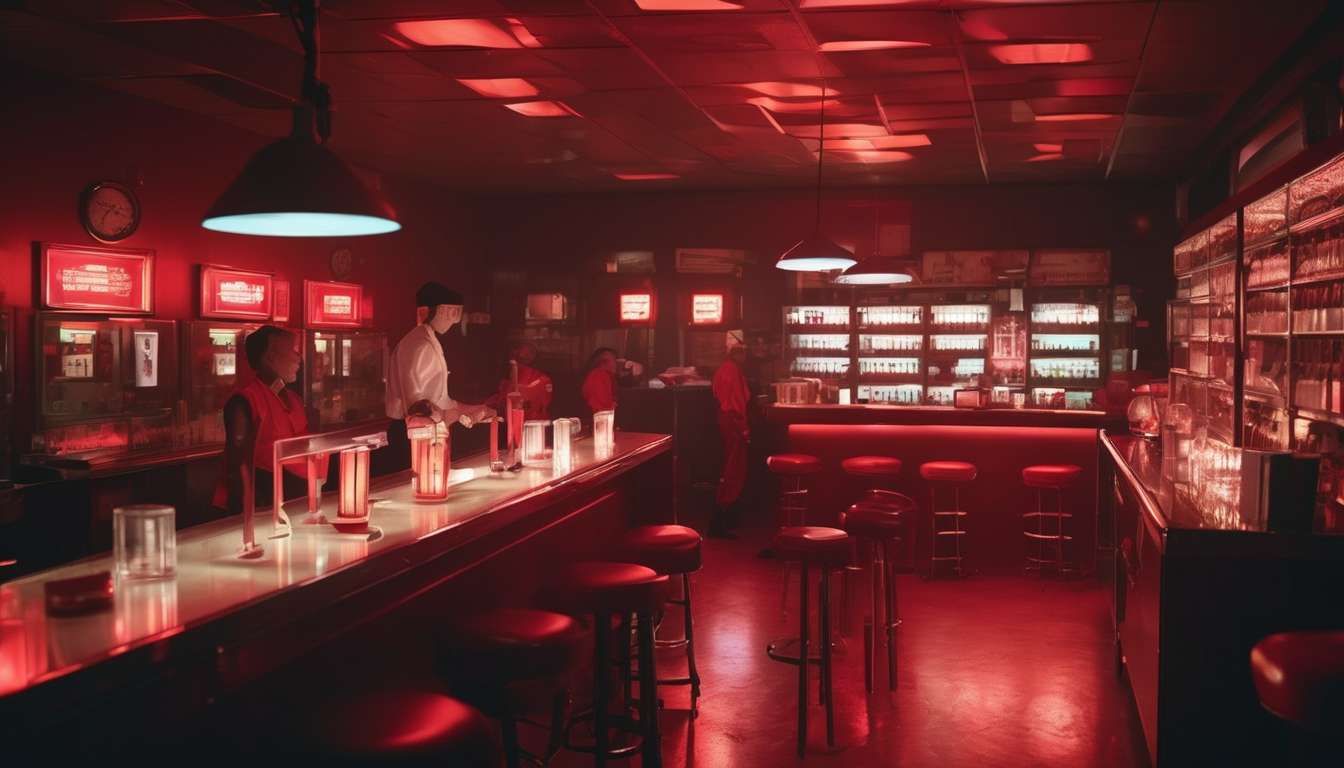
Many nightlife venues prioritize atmosphere over accountability, but safety should be the defining feature of any successful space.
When management treats safety policies as an afterthought, the result is inconsistency, confusion, and increased risk for patrons and staff alike.
We advocate for a proactive, transparent approach to venue safety:
- Clear crowd-control plans
- Staff training that centers on de-escalation
- Consistent enforcement of entry and service rules
- Open communication with local authorities and community stakeholders
Embed safety into every operational decision—booking, layout, staffing levels, and emergency procedures—so enjoyment and responsibility coexist.
This guide distills best practices, legal considerations, and practical steps to help venue operators transform ad hoc practices into reliable systems.
Together, we can redefine nightlife management so that memorable nights are also safe ones, protecting both the people we serve and the reputations we build.
Safety-first Leadership
We prioritize safety in every decision and lead by example.
We model calm, respectful behavior and invite input on safety practices to build a culture where everyone feels they belong.
We ensure staff training is regular, practical, and scenario-based.
- This prepares team members so they know their roles before an incident happens.
- Training is connected to real responsibilities:
- Who communicates with patrons.
- Who liaises with emergency services.
- Who manages crowd flow.
- Linking training to duties ensures expectations are shared and understood.
We maintain clear emergency response plans that are visible, rehearsed, and updated with staff feedback.
- Visible and rehearsed plans reinforce trust and collective readiness.
- Regular updates with frontline input keep procedures practical and current.
We expect leaders to be approachable, to debrief after incidents, and to use lessons learned to improve procedures.
- Approachability encourages reporting of concerns without fear.
- Debriefs turn incidents into opportunities for improvement.
By aligning policies with inclusive leadership, safety becomes a shared responsibility rather than a top-down mandate.
- This creates a welcoming environment where everyone contributes to wellbeing without fear of blame.
Crowd Management Strategies
We prioritize clear, proactive strategies that guide how people enter, move through, and exit the venue to keep everyone safe and comfortable.
We design entry flows, signage, and queuing areas so guests feel welcomed and know where to go; predictable movement reduces anxiety and prevents bottlenecks.
Our crowd management plans consider capacity limits, sightlines, and accessible routes so everyone can participate and leave with dignity.
We run regular drills that integrate emergency response procedures with real venue layouts, so actions are familiar and calm under pressure.
We coordinate with local responders and use communication tools to share updates with guests without causing alarm.
We invest in ongoing staff training that emphasizes:
- situational awareness
- de-escalation techniques
- inclusive communication
Together, these measures create spaces where people belong, feel seen, and trust that their safety is actively managed.
Staff Training Protocols
We ensure every team member completes role-specific training and regular refreshers so they can respond confidently, inclusively, and consistently during routine operations and incidents.
We design staff training around clear competencies:
- Recognizing and de-escalating conflict
- Guiding group movement
- Coordinating with security to maintain balanced crowd management
We practice realistic drills for emergency response — fire, medical, and evacuation — so actions become second nature and everyone feels capable rather than anxious.
We build learning paths that welcome questions and recognize lived experience.
- Pair new hires with mentors for on‑the‑floor coaching
- Use short, focused sessions and measurable assessments so progress is visible and fair
We document certifications, feedback, and corrective coaching to support growth, not punishment.
We schedule cross-role refreshers so bartenders, hosts, and security share a common language and expectations.
By investing in consistent, compassionate staff training, we strengthen trust among team members and create a safer, more inclusive venue where staff and guests belong and can rely on one another.
Entry and Service Standards
We set clear entry and service standards so guests are screened efficiently, treated respectfully, and served consistently from arrival through exit.
We greet everyone with warmth, explain wait times, and apply entry checks uniformly so people feel safe and included.
Our lines and entry points are arranged to support crowd management, minimizing bottlenecks and keeping visibility for staff.
We staff door positions based on predicted flows and adjust in real time when needed.
Inside, servers and bar staff follow consistent ID checks, portioning, and refusal protocols so patrons trust that rules are fair.
We communicate expectations clearly to guests and to each other, using brief handoffs during shift changes to keep service seamless.
Regular staff training reinforces both technical skills and the inclusive attitude we model.
- Training includes de-escalation techniques.
- Training includes coordination with medical or security teams for emergency response support.
By setting these standards, we foster a welcoming environment where everyone belongs and safety feels like a shared responsibility.
Emergency Response Plans
Emergency response plans
We develop clear, practiced plans that outline roles, communication, and actions for medical, fire, security, and evacuation scenarios.
Key elements of the plans
- Roles and responsibilities — We map who leads, who clears routes, who coordinates with external responders, and who tends to guests.
- Communication — Concise channels and call-signs connecting front-line staff, management, and external services.
- Action steps — Simple, rehearsed procedures for swift, calm action.
Routine practices to build preparedness and belonging
We build routines that strengthen belonging by making preparedness a regular, inclusive part of work life.
- Shift briefings include emergency reminders.
- Debriefs welcome input from all staff.
- Drills invite all voices so the team feels prepared together.
Crowd management and scenario integration
We integrate crowd management tactics into scenarios, emphasizing:
- Calm direction and staged egress.
- Priority care points for injured or vulnerable guests.
- Coordination between crowd control and clinical/evacuation teams.
Training, measurement, and role maintenance
Staff training is regular, scenario-based, and measured, with:
- Clear checklists.
- Role rotations to keep skills current.
- Performance measurement and refresher schedules.
Documentation and continuous improvement
We document outcomes, update plans after incidents or drills, and ensure everyone has access to protocols.
Outcome
By committing to practiced, inclusive emergency response, we keep our venue safer and preserve trust among staff and guests alike.
Venue Design Considerations
We design the venue layout to prioritize clear sightlines, accessible egress routes, and resilient infrastructure that support safety, comfort, and efficient operational response.
We arrange entrances, bars, and stages so people feel seen and included, reducing blind spots and bottlenecks that hinder crowd management.
We use durable materials, redundant lighting, and clear signage to guide everyone calmly during routine flow or an unexpected shift.
We integrate unobtrusive communication systems and designated safe zones so staff can coordinate discreetly; these features bolster confidence and belonging among guests and team members.
We plan circulation with varied capacities to prevent overcrowding while preserving shared social spaces.
We embed spaces for first aid and incident staging that support rapid emergency response without disrupting the wider experience.
We see staff training as essential to making design effective: trained teams read spaces, redirect flows, and use built-in tools to keep people together and safe.
Thoughtful design plus practiced people make the venue welcoming, resilient, and responsibly managed.
Legal and Compliance Measures
We’ll ensure our venue complies with all applicable laws, regulations, permits, and industry standards so operations stay lawful, safe, and defensible.
We keep licenses current, post required notices, and document inspections so everyone knows we’re accountable and included in a safe setting.
We build policies that align with occupancy limits, fire codes, and accessibility rules, integrating crowd management plans that prevent unsafe density and allow clear egress.
We maintain written emergency response procedures, accessible to all staff, so people feel supported and know their role during incidents.
We require recurring staff training on legal responsibilities, de-escalation, incident reporting, and first aid, creating shared competence and confidence across our team.
We track compliance deadlines, log corrective actions, and review policies after incidents to learn together.
By embedding these measures, we protect patrons and staff, reinforce belonging, and make our venue a place where safety and respect are practiced consistently and transparently.
Community and Authority Coordination
We will build strong partnerships with local emergency services, public health agencies, neighborhood groups, and regulatory bodies so we can coordinate prevention, response, and recovery efforts quickly and transparently.
We will create regular joint meetings and shared protocols so everyone knows roles during incidents and routine operations.
By aligning our crowd management plans with first responders, we make entrances, exits, and staging areas predictable and safe.
We will invite community representatives into planning sessions and debriefs so neighbors feel heard and trust grows.
We will document communication channels for emergencies, run joint drills, and update contact lists regularly.
We will collaborate on public health guidance and coordinate messaging to reduce confusion.
We will prioritize practical staff training that reflects these partnerships, focusing on:
- clear escalation pathways
- hands-on exercises with local responders
We will collect feedback after events to improve policies together.
This coordinated approach strengthens our venue, supports our community, and ensures our team and guests are protected through shared responsibility and mutual respect.
How can venues measure the long-term effectiveness of safety policies beyond incident counts?
We’ll track outcomes beyond incident counts by surveying staff and guests about perceived safety, inclusivity, and trust over time.
We’ll monitor staff retention, reporting rates, and follow-up satisfaction with responses.
We’ll analyze patterns in near-miss logs, policy compliance audits, and training completion.
We’ll compare before-and-after community feedback, partnership referrals, and social media sentiment to see if our space feels safer, more welcoming, and consistently cared for long term.
What funding options or budget strategies can small venues use to implement recommended safety improvements?
Overview — funding options and budget strategies for small venues
Grants and public funding.
Apply for grants from local governments, arts councils, and safety-focused programs that fund venue improvements (fire, accessibility, crowd management). Many grant programs prioritize community arts infrastructure and public safety upgrades. Check municipal, state/provincial, and national grant portals, and consider joint applications with other local venues to increase competitiveness.
Crowdfunding and community ownership.
Use crowdfunding campaigns to invite patrons and the local community to contribute toward specific safety projects. Offer tiered rewards or recognition (e.g., donor wall, named seats) to increase engagement. Crowd campaigns also raise awareness and can demonstrate community support when applying for other funds.
Phased budgeting and capital planning.
Adopt phased budgeting to spread capital costs over multiple fiscal periods. Prioritize interventions by risk and visibility (e.g., essential life-safety items first), then schedule lower-priority upgrades later. Create a simple multi-year capital plan to align spending with revenue cycles and grant timelines.
Partnerships and in-kind donations.
Form partnerships with nonprofits, trade associations, or suppliers for discounted materials, pro-bono labor, or donated equipment. Local businesses (electrical contractors, accessibility consultants) sometimes provide in-kind support in exchange for recognition or community goodwill. Document in-kind contributions for grant matching.
Modest surcharge or voluntary safety fee.
Implement a small, clearly communicated surcharge or voluntary “safety fee” on tickets to raise ongoing funds. Keep it modest and transparent—explain how funds will be used (e.g., maintenance of emergency lighting, staff safety training). Offer an opt-out for patrons if feasible to reduce backlash.
Reallocation and line-item review.
Review current budgets to reallocate existing line items—pause non-essential discretionary spends, reassign marketing or program funds when immediate safety needs are critical. Use zero-based budgeting briefly to identify savings and justify reallocations.
Tax incentives and credits.
Investigate tax credits, rebates, or energy/safety-related incentives that can offset upgrade costs (e.g., energy-efficient lighting rebates, accessibility tax credits). Consult an accountant or local business development office for applicable programs.
Dedicated reserve fund.
Establish a small dedicated reserve or sinking fund for ongoing safety maintenance and minor capital replacements. Fund it with a portion of ticket surcharges, a percentage of monthly revenue, or initial seed grants to reduce future scramble for funds.
Practical steps to implement these strategies.
- Conduct a quick risk-and-cost audit to prioritize needs.
- Map potential funding sources (grants, partners, community, internal reallocations).
- Prepare one or two concise funding pitches (grant application + community campaign).
- Launch the highest-probability funding effort first (e.g., local grant or small crowdfunding).
- Track and publicize how funds are used to build trust and ease future fundraising.
Key point: combine multiple approaches—short-term community fundraising and reallocations plus medium-term grants, partnerships, and a reserve—to make safety improvements feasible without overburdening ticket prices.
How should venues handle safety communication and accommodations for patrons with disabilities or neurodiverse needs?
We’ll proactively communicate accessible options and sensory-friendly times, ask guests about needs in advance, and train staff to listen, respect, and offer discreet accommodations.
We’ll display clear signage, provide quiet spaces, and share venue layouts and policies online.
We’ll offer alternative entry procedures and captioning or aids when possible, and we’ll invite feedback to improve.
We’ll make inclusion routine so everyone feels welcome and supported.
Conclusion
You’re responsible for keeping patrons safe while running a successful nightlife venue.
By leading with safety, enforcing smart crowd-management practices, training staff rigorously, and setting clear entry and service standards, you’ll reduce risks.
Prepare and rehearse emergency responses, design spaces to minimize hazards, comply with legal requirements, and coordinate with community stakeholders and authorities.
When safety’s integrated into every decision, you’ll protect guests, support staff, and preserve your venue’s reputation and longevity.