
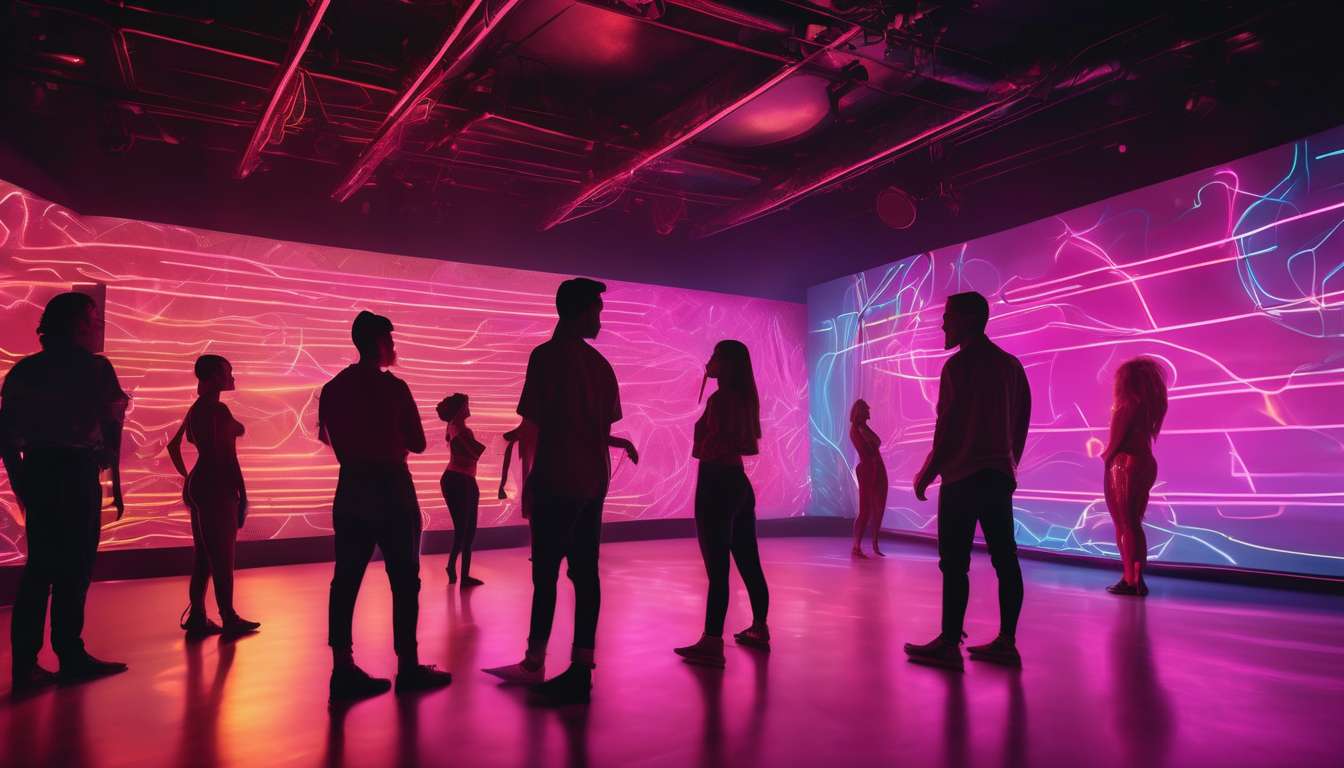
Likening the neon haze of a long-standing club to the minimalist chic of upscale lounges, we trace how audience expectations have shifted and why exotic dance venues now straddle both worlds.
We used to picture these clubs as singularly hedonistic spaces, but recent audience research reveals a desire for atmosphere, safety, and curated experience that resembles boutique nightlife as much as traditional strip clubs.
As researchers and industry observers, we gather data from patrons, performers, and managers to map these evolving preferences.
- What music, lighting, and service styles attract repeat visits?
- How do policies around consent and professionalism reshape perception?
Our findings challenge simple binaries: exotic dance is neither purely transactional nor purely artistic; it is a service adapting to cultural tastes and regulatory pressures.
In this article, we unpack survey trends, interview insights, and attendance patterns to show how clubs are redefining themselves to meet nuanced, and sometimes conflicting, expectations.
Shifting Patron Profiles
We’re seeing a notable shift in who visits exotic dance clubs.
Patron demographics are diversifying: more couples, queer patrons, older adults, and professionals are joining long-time regulars. This broader mix changes expectations—people now want spaces where they feel included, respected, and seen.
Consent and safety are being treated as core values, not optional policies.
- We make rules clear and visible.
- We train staff in de-escalation and boundary-respecting practices.
- We create accessible reporting paths for incidents or concerns.
When patrons know their boundaries will be honored, they relax and connect more authentically.
Club experience design is being rethought to reflect changing patron profiles.
- Programming choices adapt to diverse tastes and identities.
- Seating arrangements accommodate mixed groups and different comfort levels.
- Communication norms shift to be explicit and respectful.
Small operational changes—transparent conduct rules, visible staff presence, and designated quiet zones—help everyone feel they belong.
Clubs that center inclusion and safety will build steadier, more loyal communities.
As patron profiles evolve, those who prioritize inclusive design and robust safety practices are better positioned to foster long-term engagement and trust.
Atmosphere and Design Trends
We’re redesigning spaces to balance theatrical glamour with everyday comfort so guests can feel excited and relaxed at the same time.
We pay close attention to patron demographics to ensure seating, sightlines, and amenities reflect diverse needs—age, mobility, and group size—so everyone finds a place to belong.
We center consent and safety in lighting choices, sightlines, and clear signage, creating zones that feel private without being isolated.
Our club experience design prioritizes intuitive circulation, visible staff stations, and comfy communal areas that invite connection while respecting boundaries.
Materials and finishes favor warmth and durability, with acoustic treatments that keep conversations possible without sacrificing performance impact.
Flexible layouts let us host themed nights or quieter gatherings, responding to changing demand without losing identity.
We involve performers and regulars in iterative testing, because belonging grows when people shape the spaces they use.
Thoughtful, inclusive design helps transform clubs into welcoming venues where excitement and respect coexist.
Music and Sound Expectations
We calibrate music and sound to balance performance energy with conversational comfort.
We use clear mixes, controlled levels, and targeted acoustics so both performers and guests can hear what matters.
We tailor playlists and levels based on patron demographics.
We listen to demographics to guide playlist variety, tempo, and volume so sets resonate across ages and group types.
We prioritize mixes that preserve performer cues and conversational intelligibility.
- Mixes let performers’ cues cut through without forcing shouted conversation.
- Zones are designed so bass is fuller for immersion while lounges remain intelligible.
We include staff and performer input in experience design.
We hold club experience design meetings to adjust EQ, speaker placement, and dwell times to improve flow and connection.
We train DJs and sound techs to read rooms and shift dynamics quickly.
- Training focuses on maintaining a welcoming vibe that supports consent and safety without policing natural interaction.
- Technicians learn rapid, subtle changes to dynamics and routing to adapt to shifting crowd energy.
We communicate sound policies clearly and model respectful behavior.
- Policies are conveyed to patrons through announcements and signage.
- Staff model respectful conduct so music enhances social bonding rather than creating distance.
Safety and Consent Practices
We establish clear, consistently enforced consent and safety protocols that staff, performers, and guests all understand and follow.
Consent and safety are framed as central to belonging.
- We integrate visible signage, straightforward verbal consent practices, and accessible reporting channels.
- We make resources easy to find and use so everyone can participate in maintaining a safe environment.
We tailor communication and resources to patron demographics.
- By analyzing patron demographics, we adapt language, outreach, and support so every group feels seen and protected without being singled out.
- This includes culturally responsive materials and multiple accessible formats.
We design the club experience to reduce anxiety and foster trust.
- Safe sightlines, well-lit transit areas, and staffed de-escalation zones create predictable spaces.
- Thoughtful layout and staffing patterns minimize risk and make it easier for people to get help.
We train front-of-house teams in trauma-informed responses and incident handling.
- Training includes bystander intervention, confidential incident handling, and de-escalation techniques.
- These standards are part of onboarding for everyone onsite to ensure consistent application.
We gather regular feedback and iterate on protocols.
- Patrons and performers provide ongoing input to refine measures and ensure they match evolving needs.
- Feedback loops help identify gaps and improve trust in the system.
We publish and consistently enforce clear codes of conduct.
- Community members know expectations and consequences, which reinforces fairness and safety.
- Consistent enforcement strengthens communal responsibility.
By centering consent and safety in policy and practice, we create a club experience design that invites people to return and belong.
Performer Professionalism Standards
We set clear, professional standards for performers—covering conduct, appearance, interactions, punctuality, and boundaries—so everyone knows what’s expected and why.
Standards reflect patron demographics and evolving expectations. We explain how those standards help performers connect authentically with different groups while maintaining consistency.
Training centers on consent and safety. This includes:
- Verbal and nonverbal cues to recognize consent and discomfort.
- De-escalation techniques for tense situations.
- How to uphold personal limits without alienating guests.
We cultivate a supportive culture. Peers give constructive feedback and managers model accountability, creating belonging across shifts and performance styles.
Dress, hygiene, and stage etiquette are standardized. This ensures predictability in club experience design, helping patrons feel comfortable and performers feel respected.
Punctuality and clear scheduling are enforced. Reliable timing reduces stress and reinforces fairness among staff and performers.
Policies are documented plainly and reviewed regularly. We invite performer input so standards evolve with the community.
We balance professionalism with warmth. The result is a safe, welcoming environment where staff, performers, and patrons can enjoy performances with confidence.
Service and Hospitality Models
We define service and hospitality models that guide how staff engage guests, structure interactions, and deliver consistent experiences across bars, seating areas, and private services.
We design protocols that reflect diverse patron demographics, ensuring everyone feels welcomed and represented without singling anyone out.
We train teams to prioritize consent and safety in every touchpoint, from greeting to seating to private services, so boundaries are clear and respected.
We build club experience design around predictable rhythms—arrival, seating, performance, interaction, departure—so guests know what to expect and can relax into belonging.
We emphasize transparent communication, active listening, and de-escalation techniques, giving staff tools to protect performers and patrons alike.
We use feedback loops to refine practices and adapt to changing needs:
- Surveys
- Suggestion channels
- Staff debriefs
We allocate physical space and staffing levels to support supervision and privacy simultaneously, balancing social energy with intimate moments.
In doing so, we create hospitality that’s safe, inclusive, and consistently excellent.
Regulatory and Community Impacts
We assess how local regulations, zoning, and community sentiment shape club operations, and we proactively engage stakeholders to minimize conflicts and support neighborhood wellbeing.
We acknowledge that patron demographics influence perceptions and regulatory responses, so we collect inclusive data to show who uses our spaces and why.
We collaborate with neighborhood groups, planners, and enforcement agencies to align hours, access, and noise mitigation with local priorities.
We center consent and safety in every policy discussion, emphasizing how training, clear signage, and incident reporting reduce risks and build trust with residents.
We share club experience design plans—lighting, entry flow, and staff roles—to illustrate how physical layout can limit spillover effects and create respectful environments.
We involve community members in periodic reviews to create a sense of shared ownership and belonging.
We push for transparent impact assessments and flexible permits that reflect evolving norms, ensuring clubs operate responsibly while remaining valued parts of their neighborhoods.
Attendance and Revenue Patterns
We analyze attendance trends and revenue streams to understand peak demand, spending behavior, and the operational decisions that maximize both profitability and guest satisfaction. Mapping hourly and weekly flows lets us schedule staffing, performances, and promotions to smooth peaks and reduce burnout, which supports higher lifetime value from regulars.
We track patron demographics to tailor nights that feel welcoming to varied groups while preserving a consistent atmosphere. Club experience design ties these elements together — sightlines, seating clusters, and clear pathways encourage natural spending without pressure.
We prioritize consent and safety as central to revenue. Guests return when they feel respected, which boosts tips, table bookings, and VIP sales. Transparent rules and trained staff lower incidents and reputational risk, protecting income.
We pilot small changes and measure conversion rates. By testing, measuring, and scaling what builds community trust, we align operations with a shared sense of belonging, safety, and thoughtful design — the foundation for steady attendance and resilient revenue.
How do exotic dance clubs typically handle performers’ mental health and access to counseling or support services?
Short answer: Practices vary widely. Some clubs provide informal peer support, referrals, or flexible scheduling, while many offer little to no formal mental-health services. Clubs that take performer well-being seriously tend to combine low-barrier supports, clear policies, and links to external professional services.
Common approaches used by clubs
-
Peer support and check-ins
- Many clubs encourage informal peer networks where performers check in with one another.
- Some venues organize regular group conversations or peer-led support meetings to normalize talking about stress and safety.
-
Flexible scheduling and time off
- Flexible shifts, limits on consecutive nights, and options to take time off for mental rest are common harm-reduction practices.
- Managers who allow easy shift swaps and respect boundaries can reduce burnout and anxiety.
-
Referrals to external mental-health resources
- Clubs often keep a list of local therapists, community clinics, and sliding-scale counseling services to refer performers.
- Referrals may include LGBTQ+-competent providers, trauma-informed counselors, substance-use services, and crisis hotlines.
-
Employee Assistance Programs (EAPs) and formal counseling
- Larger or corporate-run venues may offer EAPs that provide confidential counseling sessions.
- Many independent or smaller clubs do not provide EAPs due to cost or employment classification (e.g., independent contractors).
-
On-site supports and safety measures
- Some clubs have on-site security, managers trained in de-escalation, or designated staff to handle crises and coordinate care.
- Basic on-site supports may include quiet rooms, rest spaces, and policies for addressing harassment or emergencies.
-
Training and policies
- Venues that prioritize mental health often train staff in trauma-informed approaches, active listening, and how to refer someone in crisis.
- Clear, enforced policies around harassment, boundaries, and reporting can reduce stress and help performers feel safe.
Barriers and limitations commonly encountered
-
Independent-contractor status
- Performers classified as independent contractors may not be eligible for employer-provided benefits, making formal supports less common.
-
Cost and resource constraints
- Small venues may lack funds to provide EAPs, on-site counselors, or paid time off.
-
Stigma and confidentiality concerns
- Fear of judgment, job loss, or breaches of privacy can deter performers from seeking help through a club.
-
Legal and liability worries
- Clubs may be hesitant to provide certain services or advise on mental-health conditions for fear of liability.
Evidence-based practices and recommendations for clubs aiming to support performers
-
Create low-barrier, nonjudgmental supports
- Normalize conversations about mental health, encourage voluntary check-ins, and make peer support easy to access.
-
Provide vetted referral lists
- Maintain an up-to-date list of local trauma-informed therapists, crisis hotlines, community mental-health clinics, and sliding-scale services.
- Include resources tailored to common needs (trauma, substance use, sexual-health, LGBTQ+ care).
-
Train staff in basic mental-health awareness
- Offer training in trauma-informed care, active listening, suicide prevention (e.g., QPR, ASIST), and de-escalation so staff can respond safely.
-
Adopt and enforce clear safety and boundary policies
- Written policies on harassment, boundaries, and reporting help reduce stress and clarify expectations for staff and patrons.
-
Facilitate access to affordable care
- Partner with community clinics or mental-health organizations to offer periodic on-site counseling or sliding-fee clinics.
- Share information about teletherapy, online support groups, and crisis lines.
-
Protect confidentiality and autonomy
- Ensure any support is offered confidentially and respects performers’ autonomy — make participation voluntary and nonpunitive.
Practical steps performers or managers can take now
- Compile and distribute a concise resource sheet (hotlines, local clinics, low-cost therapists, crisis text lines).
- Establish a voluntary peer-support or check-in system with basic guidelines and privacy safeguards.
- Provide brief staff training on crisis response and referral pathways.
- Create clear, posted policies on harassment and boundaries and a simple process to report incidents.
- Explore partnerships with local nonprofits or universities for pro bono or low-cost counseling.
If someone is in crisis now
- Encourage immediate contact with local emergency services if there is imminent danger.
- Suggest crisis lines: in the U.S., call 988 for suicide crisis and mental-health emergencies; use local equivalents elsewhere. Crisis Text Line: text HOME to 741741 (U.S./Canada) or check country-specific text services.
If you want, I can help draft a one-page resource sheet you can distribute in the club, write a short peer-support checklist, or create sample language for policies and staff training outlines. Which would be most useful?
What are the environmental sustainability practices (waste reduction, energy use, recycling) commonly adopted by these venues?
Clubs are adopting greener practices to make everyone feel welcomed and cared for.
They reduce resource use and waste by:
- Cutting single-use plastics.
- Switching to LED lighting and programmable thermostats.
- Installing low-flow plumbing.
They manage waste and materials responsibly by:
- Partnering with local recyclers.
- Composting food waste from bars.
- Sourcing eco-friendly cleaning supplies.
They involve staff and performers in sustainability efforts by:
- Encouraging suggestions for improvements.
They measure and report progress by:
- Tracking energy and waste metrics to drive continuous improvement.
- Sharing progress with the community.
How do clubs measure and respond to the preferences of niche or non-binary audiences beyond traditional gender/sexuality categories?
How clubs measure and respond to the preferences of niche or non-binary audiences
Measurement methods
Anonymous surveys
- Collect targeted questions about identity, comfort, and programming preferences.
- Use open-ended fields to capture nuanced identities beyond fixed categories.
Suggestion boxes
- Provide physical and digital options for ongoing, low-effort feedback.
- Monitor and categorize themes to identify recurring needs or ideas.
Moderated focus groups
- Invite diverse participants to discuss experiences and needs in depth.
- Use trained facilitators to ensure safe, respectful conversation.
Attendance and participation tracking
- Analyze attendance patterns by event type, time, and demographic signals (when available and consented).
- Look for trends that indicate which offerings attract niche or non-binary audiences.
How clubs respond
Adapt programming
- Pilot theme nights and specialty events tailored to specific communities.
- Rotate offerings based on feedback and attendance data.
Adjust staffing
- Recruit and schedule staff who reflect the communities served.
- Provide roles or liaisons for community-specific outreach.
Update signage and policies
- Change signage to be gender-inclusive and affirming.
- Revise policies (e.g., restroom access, harassment/reporting) to explicitly protect non-binary and niche identities.
Train staff in inclusive practices
- Conduct regular training on respectful language, pronoun use, and bystander intervention.
- Include scenario-based training drawn from feedback and incidents.
Communication and follow-up
Transparent communication
- Announce pilots, policy changes, and new offerings clearly and accessibly.
- Explain how feedback informed decisions to build trust.
Iterate and evaluate
- Monitor pilot outcomes, re-survey participants, and refine programming.
- Maintain ongoing feedback channels so adjustments remain aligned with community needs.
Key principles
- Prioritize anonymity and consent when collecting identity-related data.
- Treat feedback as ongoing — not one-off — and center lived experiences in decision-making.
- Be explicit about safety and accountability to ensure changes translate into real inclusion.
Conclusion
You’ve seen how patron profiles are shifting and how atmosphere, music, and safety expectations shape modern exotic dance clubs.
You’ll expect sleeker design, curated sound, clear consent norms, and higher performer professionalism.
You’ll notice service models prioritizing hospitality and compliance with evolving regulations, all influencing attendance and revenue patterns.
Going forward, you’ll want venues that balance entertainment, safety, and respect — because those that adapt will attract patrons and sustain healthier, more profitable operations.