
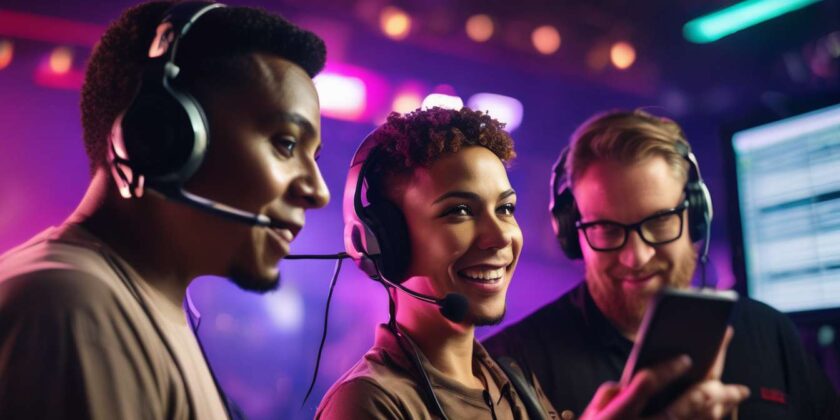
The recent surge in live-event livestreaming and rapid-response audience feedback has forced us to rethink how dance venues speak to their communities.
As headlines highlight both viral successes and public-relations missteps, we find ourselves balancing real-time engagement with the reputational risks of unmoderated content.
Platforms evolve weekly, audience expectations shift overnight, and what was an informal post last month can become a crisis tomorrow.
We need clear, adaptable social media policies that guide performers, front-of-house staff, and management alike—so everyone knows when to amplify, when to correct, and when to stay silent.
By aligning our communication practices with current platform norms, legal considerations, and accessibility standards, we protect artistic integrity while fostering trust.
In this article we outline pragmatic policy elements, role-based guidelines, and incident-response steps tailored for dance venues, helping us transform modern communication challenges into opportunities for community-building and sustained audience growth.
Purpose and Scope
Purpose: why this social media policy exists
We want everyone here to feel included and secure. This social media policy clarifies expectations, protects our community, and invites consistent, respectful engagement.
Scope: who and what the policy covers
Which accounts and channels fall under the policy:
- Official venue pages
- Event listings
- Sanctioned performer profiles used for promotion
This reduces confusion about coverage by making clear which accounts are governed by these rules.
Moderation standards: keeping conversations welcoming
Core moderation rules:
- Do not tolerate harassment, hate speech, or targeted abuse.
- Allow respectful disagreement; discourage ad hominem attacks and personal threats.
- Remove or hide content that violates policy in a timely and consistent manner.
Transparent moderation process:
- Document reasons for removals.
- Provide appeal or review options when feasible.
Accessibility: making engagement possible for everyone
Required accessibility practices:
- Add captions to videos when possible.
- Use readable formatting (short paragraphs, clear headings, sufficient contrast).
- Provide alt text for images where the platform allows it.
Scope limitations and focus
This policy remains tight and actionable: it focuses on everyday interactions and crisis responses, rather than exhaustive role assignments.
Further details (to be covered in the next section):
- Specific role responsibilities and approvals.
- Detailed enforcement procedures and disciplinary steps.
Roles and Responsibilities
We’ll assign clear roles and responsibilities so everyone knows who creates content, who approves posts, who monitors channels, and who responds to incidents.
We’ll name primary and backup account holders, designate a community manager for day-to-day moderation, and list an approver for sensitive or brand-impacting messages.
Our social media policy will outline:
- Authority levels (who can post what).
- Response time expectations.
- Escalation paths so people feel supported and safe.
We’ll include volunteers and performers in role descriptions when they help with announcements, clarifying what they can and cannot do on official channels.
Training and documentation:
- Require basic training in tone, privacy, and accessibility.
- Keep documentation accessible to all team members.
For incidents, we’ll define:
- Who documents the incident.
- Who notifies leadership.
- Who coordinates with legal or safety contacts.
By sharing these responsibilities clearly, we build trust, reduce confusion, and ensure consistent, inclusive engagement across our community channels.
Posting Guidelines
We’ll post with consistency and care, following clear rules about tone, content types, tagging, photo permissions, and timing so every message represents our venue respectfully and safely.
We use a social media policy that outlines voice—warm, inclusive, and inviting—so followers feel seen and welcome.
We limit promotional posts, community highlights, instructional clips, and archival photos to a predictable cadence so people know what to expect.
We get consent before sharing photos or videos, tag participants appropriately, and respect requests to remove images.
Our captions avoid jargon and slurs, and we include content warnings when material could affect safety or comfort.
We keep accessibility top of mind:
- Alt text for images
- Readable captions
- Clear formatting so everyone can engage
We set up moderation rules to handle spam, harassment, and misinformation promptly and fairly, documenting actions and appeal steps.
We review these posting guidelines regularly so our online presence stays aligned with our values and the evolving needs of our community.
Live-Stream Protocols
Consent, scheduling, and privacy safeguards.
We’ll livestream events only with clear consent, a published schedule, designated hosts, and technical checks to protect privacy, safety, and quality.
We’ll announce streams in advance so community members can plan, opt in, or request exclusion if they prefer not to appear. Our social media policy requires signed consent from performers and crew, and we’ll keep consent records accessible to organizers.
Roles and production duties.
Designated hosts will:
- introduce segments,
- manage transitions,
- coordinate with tech staff to prevent accidental exposures or audio issues.
Tech staff will perform pre-stream checks and monitor feeds during the event to uphold quality and privacy.
On-camera rules and enforcement.
We’ll set clear rules for on-camera behavior and enforce timeout procedures when situations risk safety or dignity. These procedures apply to participants and on-site staff to ensure respectful, safe broadcasts.
Moderation and chat handling.
While moderation practices will shape real-time chat handling, those operational details are covered under the next section; here we focus on production norms that support inclusive participation.
Accessibility and inclusion.
We’ll prioritize accessibility by:
- adding captions,
- providing descriptive audio where feasible,
- using clear visual cues.
These measures ensure everyone can join and follow the experience.
Archiving and feedback.
Post-event, we’ll archive streams only with consent, label edited versions clearly, and provide community feedback channels to improve future broadcasts.
Moderation and Comment Policy
We’ll keep community spaces respectful and safe by enforcing clear comment rules, consistent moderation practices, and transparent appeals procedures.
Expected behavior is stated clearly:
- Respectful language
- No harassment
- No hate speech
- No spam
Our social media policy explains enforcement actions:
- What triggers a warning, temporary mute, or removal
- How moderators document decisions
We’ll train moderators to act consistently and kindly:
- Use scripts that prioritize de-escalation and restoring conversation
- Maintain a calm, uniform tone across moderators
- Emphasize documentation and rationale for actions
We’ll provide an easy, prompt appeals process:
- Offer a clear path to appeal moderation decisions
- Reply promptly so people know their voices matter
We’ll enable user tools to help maintain the community:
- Reporting posts
- Content filters
- Blocking accounts
- Accessible moderation notes for leadership
We’ll commit to accessible moderation practices:
- Readable fonts and clear UI
- Alt text enforcement for images
- Captioning for videos
- Clear signage about moderation actions
By balancing firm rules with compassionate enforcement, we’ll protect community trust and make our venue’s online spaces feel like an inclusive, responsive extension of the dance floor.
Legal and Privacy Rules
Legal compliance and privacy practices
We’ll follow applicable laws and privacy best practices to protect patrons’ personal data, comply with copyright rules, and limit our legal exposure when running venue social accounts.
Documented social media policy
We’ll document a clear social media policy that defines who can post, what data we collect, and how we handle images and recordings from events.
Consent and content removal
We’ll gain consent before sharing identifiable photos or videos and remove content when requested, balancing openness with privacy.
Data retention and account security
We’ll set retention limits for messages and backups, secure account credentials, and use two-factor authentication.
Staff training and escalation
We’ll train staff on copyright attribution, fair use basics, and when to escalate takedown requests.
Transparent moderation
Our moderation practices will be transparent and consistent, explaining why content is removed and offering appeal routes.
Record keeping and accountability
We’ll record policy changes and incidents to maintain accountability.
Vendor and legal review
We’ll assess vendor agreements for data processing and ensure legal review of special promotions or contests.
Overall goal
These steps help everyone feel safe, respected, and connected to our community while reducing legal risk.
Accessibility and Inclusion
We will make our venue’s online presence welcoming to everyone by designing posts, captions, and interactions that account for diverse abilities, languages, and cultural backgrounds.
Key accessibility practices to embed into our social media policy:
- Alt text for images — provide descriptive, meaningful alt text for all non-decorative images.
- Readable typography and high-contrast visuals — use legible fonts, sufficient font sizes, and color contrast that meets accessibility guidelines.
- Captioned videos — add accurate captions and, when possible, transcripts for all video content.
- Translations and plain-language summaries — offer translations into common community languages and plain-language explanations for complex content.
We will encourage staff and volunteers to develop inclusive communication skills:
- Inclusive language training — teach use of person-first and identity-affirming language as appropriate.
- Cultural competency — provide education on cultural norms and sensitivities so tone and examples invite participation and belonging.
Moderation policy goals: establish clear guidelines that protect community members from harassment while preserving respectful dialogue.
Moderator training and practices:
- Bias recognition and consistent rule application — train moderators to spot implicit bias and apply rules uniformly.
- Documentation and appeal routes — record moderation actions and provide transparent appeal processes for reviewed decisions.
- Accessible reporting — make reporting mechanisms simple, available in multiple formats, and responsive to accommodate users with varied needs.
Ongoing evaluation and community engagement:
- Regular audits — review channels periodically for accessibility and inclusion gaps.
- Solicit feedback from community members with disabilities — invite and act on direct input to improve experiences.
- Iterate and adapt — update policies and practices based on audit findings and community feedback.
Outcome: by centering accessibility and inclusion, our social media will become a safer, more welcoming place where everyone feels seen and valued.
Incident Response Plan
We’ll maintain a clear incident response plan that lets us quickly identify, assess, and resolve safety or reputation threats across our social channels.
We outline roles, escalation paths, and timelines so everyone knows who responds, when, and how.
Our social media policy will include templates for acknowledgments, safety notices, and post-incident follow-ups to keep messaging consistent and compassionate.
We monitor channels proactively and use moderation rules that prioritize participant safety and truthful information.
When an allegation or safety concern arises:
- Pause promotions.
- Document the issue.
- Notify leadership and legal when needed.
- Communicate transparently with our community.
We ensure accessibility in our responses by providing alt text, captions, and clear language so everyone can understand updates and support options.
After resolution, we:
- Run a debrief.
- Update our social media policy and moderation guidelines.
- Share lessons with staff and community members.
The result: we repair trust, strengthen belonging, and reduce the chance of repeat incidents.
How should staff handle requests from performers or promoters to delete or significantly alter past posts about events after disagreements or contractual disputes arise?
We should address requests to delete or alter past event posts calmly and fairly.
Review what’s relevant before deciding.
- Review the contract and the original permissions.
- Assess the post’s public interest.
If removal is justified, act with clarity and empathy.
- Explain the reasons for removal.
- Provide timelines for when the change will occur.
If removal isn’t justified, offer constructive alternatives.
- Add clarifying edits to the post.
- Respond in the comments to provide context.
- Pin a statement that explains the situation.
Document the process and escalate when needed.
- Record the decision and the rationale.
- Seek legal or leadership input if appropriate.
- Aim to preserve trust and community relationships.
What are the recommended practices for archiving social media content (duration, storage location, and who is authorized to access archives) for historical records or potential legal needs?
Retention period and storage.
We’ll keep archives for a minimum of seven years, longer if contracts or laws require it. Originals and metadata will be stored on encrypted cloud backups, with an offline copy maintained as well.
Access and permissions.
We’ll document retention schedules and who can access archives, limiting permissions to:
- Designated managers
- Legal counsel
- One backup administrator
Logging and transparency.
We’ll log every access and use audit trails to ensure transparency.
Policy review and staff involvement.
We’ll review policies yearly and involve staff in shaping respectful, inclusive practices.
Are there preferred tools or third-party platforms (scheduling, analytics, moderation) that the venue officially endorses or prohibits, and what are the criteria for approving new tools?
We prefer scheduling and analytics tools but don’t mandate a single platform.
- We prefer scheduling tools such as Buffer and Hootsuite, and analytics tools such as Sprout and Google Analytics.
- We do not mandate one platform — teams may choose the tool that best fits their needs.
We avoid tools with poor privacy or unclear data controls.
- Tools that have weak privacy practices or unclear data-control policies are excluded from consideration.
Approval requires meeting security, cost, accessibility, and training criteria.
- Tools must meet security requirements.
- Tools must be cost-acceptable.
- Tools must meet accessibility standards.
- Tools must allow for team training and onboarding.
Staff endorsement and collaborative decision-making are required.
- New tools are approved when staff who will use them vouch for fit.
- Decisions remain collaborative and transparent so everyone feels included and heard.
Conclusion
You’ll use this social media guide to share your venue’s personality while protecting patrons, performers, and staff.
Stick to assigned roles.
- Only authorized staff should post or live-stream on official channels.
- Follow role-specific responsibilities (e.g., content creator, moderator, manager).
Follow posting and live-stream rules.
- Schedule posts according to the content calendar.
- Get necessary approvals before publishing.
- During live streams, follow safety protocols for camera placement, crowd filming, and performer consent.
Moderate comments respectfully.
- Enforce community guidelines consistently.
- Remove or hide abusive, threatening, or clearly illegal content.
- Provide polite, firm responses to reasonable criticism.
Respect privacy, copyright, and accessibility standards.
- Obtain signed consent before posting identifiable images or recordings of patrons or performers.
- Use licensed music, images, and footage; credit creators when required.
- Provide captions, descriptive text, and accessible formatting for all posts.
Respond quickly to incidents or harm.
- Escalate safety, harassment, or legal issues to the appropriate on-site or management contacts immediately.
- Document incidents and preserve relevant digital evidence.
- Issue clear, factual public statements when needed, coordinated with management.
By following these protocols you’ll build trust, promote events responsibly, and keep communication clear, inclusive, and safe—helping your dance venue thrive while minimizing legal and reputational risks.