
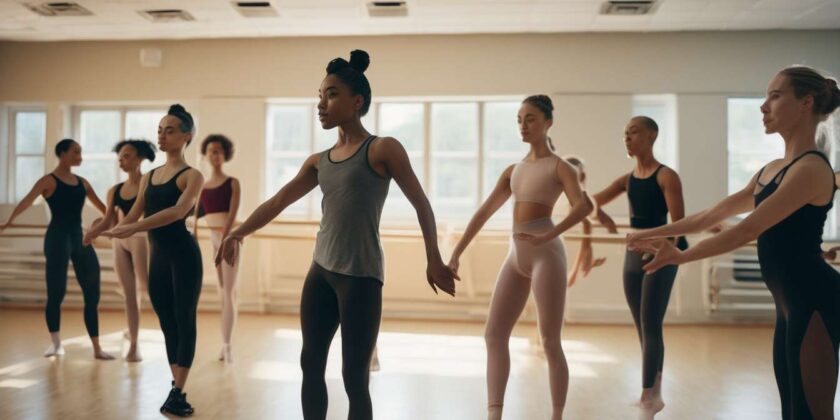
Gathering insights from rehearsal rooms, ticket lines, and breakout meetings, we notice how staff retention reveals what dance organizations truly value.
We connect the rhythms of company life to broader workplace priorities — compensation, professional development, creative autonomy, and emotional safety — and see them reflected in who stays and who leaves.
By tracing departures and long tenures alike, we uncover an unexpected link between artistic reputation and managerial choices:
- Ensembles celebrated for bold programming often struggle with predictable administrative shortcomings.
- Modest companies with steady teams tend to invest quietly in staff wellbeing.
We argue that retention patterns are not just HR metrics but cultural diagnostics, mapping leadership philosophies and resource allocation.
Through interviews, surveys, and case studies across genres and geographies, we aim to translate turnover statistics into actionable priorities so that companies can:
- Align artistic ambition with sustainable people practices.
- Ensure both artistic excellence and a healthy, committed workforce.
Retention as Cultural Mirror
Staff retention is a mirror of our studio’s values, power structures, and everyday practices.
We quickly see where we prioritize connection or control: low staff retention often signals that people don’t feel seen or trusted.
When we cultivate creative autonomy, we invite teachers and choreographers to invest themselves fully.
This strengthens belonging and reduces turnover.
Conversely, rigid hierarchies that limit input erode trust and push colleagues away.
Those structures make staff feel sidelined and more likely to leave.
Emotional safety is essential for retention.
- It means staff feel comfortable raising concerns, experimenting, or admitting mistakes without fear of reprisal.
- Emotional safety builds resilience and loyalty; its absence fragments teams.
Treat retention as a diagnostic tool to pinpoint what needs changing.
- Identify processes, communication patterns, and leadership behaviors that welcome people in.
- Spot the practices that drive people out.
- Adjust with intention to honor contributions and keep the community rooted, collaborative, and sustained.
Compensation and Value
Compensation shows how much we actually value people’s time and expertise, so we need to align pay, benefits, and recognition with the responsibilities we ask them to carry.
We believe fair compensation is foundational to staff retention; when people see tangible respect for their labor, they’re likelier to stay and invest in our collective work. That means:
- Transparent pay scales
- Consistent benefits
- Regular recognition that matches workload and impact
We also know money isn’t the only signal. Supporting creative autonomy and ensuring emotional safety are intertwined with value—adequate pay lets staff refuse unpaid overtime, while policies that protect mental health show we honor whole persons.
When compensation, autonomy, and safety align, we cultivate belonging: colleagues feel seen, trusted, and empowered to contribute their best.
To hold onto talent, we commit to ongoing review of compensation structures, listening to staff about what sustains them, and removing barriers that force people to choose between dignity and the work they love.
Professional Development Paths
We’ll map clear, achievable career paths and training opportunities so team members can grow their skills and see a future with us.
We outline mentorships, modular workshops, and cross-role rotations that let dancers and staff build competencies step by step.
We set measurable milestones, regular check-ins, and funded certifications so progression feels real, not vague.
We prioritize emotional safety in every program:
- Feedback is framed kindly and constructively.
- Setbacks are reframed as learning points.
- Peer support is formalized (peer mentors, buddy systems, support circles).
When people trust that growth won’t cost their dignity, they stay — that’s central to staff retention.
We create pathways that respect creative autonomy while offering structure:
- Options for skill specialization.
- Leadership and management training.
- Flexible tracks so individuals choose the direction that fits them.
We commit to transparent criteria for promotions, equitable access to opportunities, and a calendar of low-stress learning moments.
By doing this, we cultivate belonging, reduce turnover, and show that investing in people is how our organization grows together.
Creative Autonomy Effects
When we give artists real latitude to shape their work, they feel more invested, take greater creative risks, and stay with us longer.
We see creative autonomy as a retention strategy: allowing choreographers and dancers to propose, pilot, and lead projects signals we trust their judgment and value their voices. That trust reduces turnover because people want to belong where their contributions matter.
We build clear channels for proposals, feedback, and resource access so autonomy isn’t chaotic but supported.
- This ensures creative freedom operates within predictable, usable systems.
- It prevents misunderstandings about scope, timelines, and available resources.
Creative autonomy pairs with predictable expectations and fair compensation, letting artists plan careers here rather than elsewhere.
- Predictability includes schedules, evaluation criteria, and decision timelines.
- Fair compensation demonstrates institutional commitment and reduces financial pressure that can force departures.
We normalize collaborative decision-making so solo visions thrive alongside ensemble input, strengthening team cohesion.
- Collaborative structures (regular meetings, rotating leadership, clear roles) let individual creativity coexist with collective standards.
- This balance preserves artistic quality while building mutual respect.
Measuring outcomes—project completion, audience engagement, and qualitative satisfaction—lets us refine policies and celebrate successes that anchor staff retention.
- Track objective metrics (completion rates, ticket sales, attendance trends).
- Collect qualitative feedback (artist satisfaction, audience responses, peer reviews).
- Use findings to adjust support systems, recognition, and resource allocation.
In short, when we embed reliable creative freedom within transparent structures, we cultivate a workplace where artists feel both empowered and grounded, increasing loyalty without sacrificing artistic standards or mutual respect.
Emotional Safety and Care
We prioritize creating environments where artists feel seen, supported, and safe to express vulnerability without fear of judgment or reprisal.
Emotional safety is nonnegotiable; it underpins trust, collaboration, and the willingness to take creative risks. When people know their feelings and boundaries will be honored, they stay — staff retention improves because the workplace becomes a reliable source of belonging.
We balance creative autonomy with clear, compassionate agreements so artists can experiment while feeling held. That balance reduces burnout and prevents turnover by validating both independence and interdependence.
We practice active listening, routine check-ins, and agreed-upon feedback norms that protect dignity and clarify expectations.
Confidential channels for concerns and restorative conversations replace punitive responses, reinforcing that mistakes are learning opportunities rather than liabilities.
By naming emotions, calibrating workloads, and celebrating small successes, we cultivate a culture where people choose to remain, contribute generously, and feel responsible for sustaining a safe, vibrant creative community.
Leadership and Management Habits
We lead with consistency, clear expectations, and habitual practices that model the standards we expect from our teams.
We build routines—regular check-ins, transparent feedback cycles, and predictable decision-making—that cultivate trust and improve staff retention.
By showing up the same way, we reduce anxiety and create emotional safety where people can take risks without fearing reprisal.
We prioritize communication habits that center belonging:
- Active listening
- Acknowledging contributions
- Sharing rationale for choices
We balance structure with opportunities for creative autonomy, giving artists room to experiment inside agreed boundaries.
That combination keeps talent engaged and invested.
We hold ourselves accountable to role-modeling behaviors:
- Timely responses
- Fair scheduling
- Consistent recognition
We document processes so expectations don’t depend on memory or mood.
When leaders practice humility, admit mistakes, and invite input, we reinforce a culture where people stay because they matter, their voices shape work, and their wellbeing is protected.
Resource Allocation Choices
We prioritize funding, time, and personnel in ways that reflect our values and directly support the people we want to keep.
We allocate budget not just to productions but to the day-to-day needs that signal we value people:
- fair pay
- consistent hours
- accessible rehearsal space
We schedule time for mentorship and feedback so staff retention isn’t accidental but intentional.
We distribute roles to protect creative autonomy while maintaining clear responsibilities; that balance helps everyone feel trusted and useful.
We invest in training that strengthens craft and in managerial support that models respect.
We don’t ignore emotional safety — it’s built into staffing decisions, conflict resolution, and workload planning.
We staff with redundancy to prevent burnout and create predictable routines so team members can plan their lives around work.
We make choices transparently, inviting input so decisions feel communal.
These allocation choices foster belonging, reduce turnover, and keep our creative community resilient and committed.
Strategies for Sustainable Teams
We build sustainable teams by designing roles, schedules, and supports that prevent burnout and keep people growing together.
We prioritize predictable hours, equitable workload distribution, and clear role boundaries so everyone can plan life outside the studio.
For staff retention, those practical structures matter as much as inspiration.
We create pathways for professional growth and pay that reflects skill and commitment, because people stay where they can see a future.
We protect creative autonomy by carving out time and resources for individual projects and collaborative experimentation, while holding shared accountability for outcomes.
We cultivate emotional safety with regular check-ins, respectful feedback practices, and transparent decision-making so team members feel heard and valued.
We rotate leadership opportunities, mentor across ranks, and normalize rest as part of craft.
We measure success through retention metrics, well-being indicators, and artistic growth, then iterate based on honest team input.
By combining clear systems with care for belonging, we keep teams resilient, creative, and committed.
What specific data collection methods (surveys, interviews, retention metrics) were used to support the article’s conclusions?
We used a mixed-methods approach.
Quantitative methods: anonymous surveys with Likert-scale items and HR-derived retention metrics (turnover rates, tenure, exit reasons).
Qualitative methods: in-depth semi-structured interviews with staff and leaders, plus open-ended survey items.
Analysis and validity checks:
- Thematic analysis of qualitative responses to identify recurring patterns.
- Triangulation across surveys, interviews, and HR metrics to corroborate findings and enhance reliability.
- Integration of results so participants’ experiences directly informed clear recommendations.
Overall, these combined methods allowed us to both measure trends and capture lived experiences, ensuring conclusions were evidence-based and reflective of participant perspectives.
How do retention challenges and solutions differ between various dance forms (ballet, contemporary, hip-hop, cultural/traditional dance)?
Ballet — strict hierarchy and injury risk push dancers out.
Priority: structured career paths and healthcare.
Actions:
- Implement clear advancement ladders, role definitions, and transition programs for retiring dancers.
- Provide comprehensive medical, physiotherapy, and mental-health support.
- Offer guaranteed minimum contracts and injury-leave policies to reduce financial pressure.
Contemporary — needs creative freedom.
Priority: collaborative programming and flexible contracts.
Actions:
- Create artist-led programming committees and open-call residencies to share creative control.
- Offer short-term, project-based contracts with options for renewals and co-creation clauses.
- Provide shared studio time, production support, and flexible scheduling to accommodate experimentation.
Hip-hop — values community and hustling.
Priority: fair pay, gig stability, and mentorship.
Actions:
- Establish standardized pay guidelines for battles, performances, and teaching.
- Build a gig-matching platform and stable booking pipelines to reduce income volatility.
- Develop mentorship networks and micro-grant programs to support emerging artists and entrepreneurship.
Cultural/Traditional dance — centers elders and respect.
Priority: intergenerational leadership, cultural protocols, and community funding.
Actions:
- Formalize elder-led governance roles and apprenticeship pathways to transmit knowledge.
- Uphold cultural protocols in programming, contracting, and public presentation.
- Secure community-driven funding, bursaries, and venues to sustain belonging and long-term investment.
What legal and contractual considerations (contracts, nondisclosure, intellectual property, union rules) most affect staff retention in dance organizations?
Key legal and contractual issues that most shape staff retention in dance organizations
Clear written contracts.
Ensure roles, responsibilities, compensation, and termination procedures are documented.
Fair pay clauses.
Include transparent salary scales, overtime rules, and timely payment provisions.
Predictable schedules.
Specify rehearsal and performance hours, notice requirements for changes, and rest periods.
IP ownership of choreography.
Define who owns choreography, licensing terms for reuse, and crediting practices.
Reasonable nondisclosure terms.
Limit NDAs so they protect confidential business information without unduly restricting creative expression or whistleblowing.
Compliance with union rules.
Adhere to applicable collective bargaining agreements, working condition standards, and pay minima.
Prioritized terms that support retention
-
Transparent dispute resolution.
- Provide clear, fair grievance and mediation procedures.
- Include timelines and neutral adjudication options.
-
Renewal terms.
- State how and when contracts are renewed, notice periods, and criteria for re-engagement.
-
Equitable rights to creative credit.
- Guarantee appropriate attribution and mechanisms to resolve credit disputes.
Additional measures to retain diverse staff
-
Inclusive bargaining.
Involve diverse staff in negotiating terms that affect them. -
Accessible legal guidance.
Offer plain-language contract explanations and access to counsel or advisors. -
Respectful enforcement.
Apply rules consistently, with dignity and anti-retaliation protections.
Bottom line:
Combining clear, fair contracts (pay, schedules, IP, NDAs, union compliance) with transparent dispute resolution, explicit renewal clauses, and equitable creative-credit protections — plus inclusive bargaining, accessible legal help, and respectful enforcement — most effectively fosters a secure, valued, and committed workforce.
Conclusion
Staff retention reflects what your dance organization truly values.
When pay, professional growth, creative freedom, emotional safety, leadership habits, and resource choices align, people stay and your artistic work thrives. If they don’t, turnover exposes where you’re falling short.
Prioritize the following to build teams that last and a culture that reflects your mission:
- Equitable compensation.
- Intentional professional development.
- Compassionate management and emotional safety.
- Sustainable resourcing and aligned leadership habits.
Result: When these elements are in place, retention improves and the organization’s artistic mission is genuinely supported.